The crew of NASA's Artemis mission is now preparing for the most critical phase of their journey—re-entry into Earth's atmosphere and a splashdown in the Pacific Ocean—marking the conclusion of their groundbreaking 10-day spaceflight.
After spending over a week conducting experiments and testing systems in orbit, the astronauts are finalizing procedures for their return. The re-entry process will see their capsule endure temperatures exceeding 2,700 degrees Celsius as it plunges through the atmosphere at hypersonic speeds.
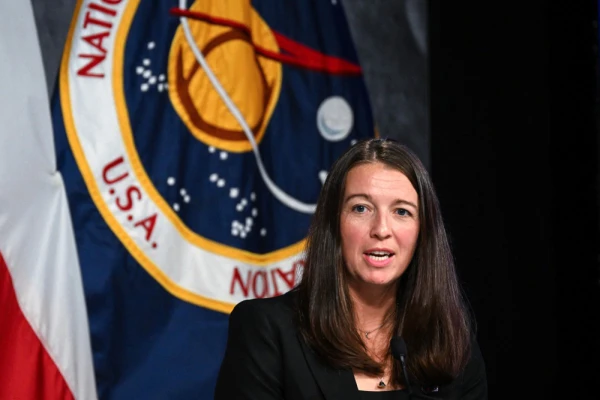
"This is where all our training comes together," said mission commander Jessica Chen in a transmission from the spacecraft. "We're focused, prepared, and excited to bring this mission home successfully."
The splashdown, scheduled for approximately 300 kilometers off the coast of California, will involve a complex recovery operation by NASA and U.S. Navy teams. Helicopters and ships are already positioned in the area to retrieve the crew and capsule shortly after touchdown.
This mission represents a crucial step toward NASA's goal of returning humans to the Moon and eventually sending astronauts to Mars. The data collected during re-entry will inform future Artemis missions, including those planned to land astronauts on the lunar surface.
"Every successful return brings us closer to sustainable exploration beyond Earth orbit," noted NASA Administrator Bill Nelson. "The Artemis program is building the foundation for humanity's future in space."
Weather conditions in the recovery zone are currently favorable, with calm seas and clear skies forecast for the scheduled landing time. Mission controllers at Johnson Space Center in Houston are monitoring all systems as the spacecraft begins its final approach to Earth.
Once recovered, the astronauts will undergo medical evaluations before being transported back to Houston, where they'll begin several weeks of post-mission analysis and debriefing.