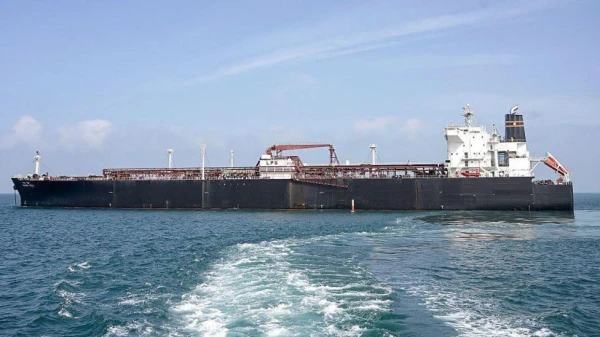
As U.S. President Donald Trump's deadline for Iran to reopen the Strait of Hormuz approaches, several Asian nations have already secured direct agreements with Tehran to ensure their vessels can safely transit the critical waterway.
Trump recently threatened military action against Iran if it failed to reopen the strait by a specific deadline, calling for countries reliant on Gulf energy to send warships to protect shipping. However, multiple Asian countries—including the Philippines, Pakistan, India, and China—have instead pursued diplomatic channels with Iran to guarantee passage for their ships.
"This is a welcome and constructive gesture by Iran and deserves appreciation," said Pakistani Foreign Minister Ishaq Dar. "Dialogue, diplomacy and such confidence-building measures are the only way forward."
The Philippines, which imports 98% of its oil from the Middle East, announced it had secured Iranian assurances for "safe, unhindered and expeditious passage" for its flagged ships after what Foreign Affairs Secretary Theresa Lazaro called "a very productive phone conversation" with Tehran.
India has also received public assurances from Iran, with the Iranian Embassy in India posting on social media: "Our Indian friends are in safe hands, no worries." Indian Foreign Minister Subrahmanyam Jaishankar attributed the passage of Indian tankers to diplomatic efforts.
China, the largest buyer of Iranian oil, confirmed that some of its vessels had recently transited the strait "following coordination with relevant parties," though it provided no further details. Vessel-tracking data shows millions of barrels of U.S.-sanctioned Iranian oil have reached China in recent weeks.
Energy analyst Roc Shi from the University of Technology Sydney noted that "countries that need the Gulf's energy are now recognising that they must engage with Iran if they want to resume shipments."
However, significant uncertainties remain about these agreements. Shipping consultant Dimitris Maniatis pointed out that "we still don't know whether the guarantees apply only to some ships or all vessels flagged under a certain country."
Other questions include whether countries paid tolls for safe passage and how long these assurances will last. Japan's Mitsui OSK Lines confirmed one of its liquefied natural gas carriers passed through the strait over the weekend but declined to comment on whether any payments were made.
Malaysia, which sources roughly two-thirds of its oil from the Gulf, also reported some of its tankers had been cleared by Tehran, with Transport Minister Anthony Loke crediting "good diplomatic relationship with the Iranian government."
Energy economist Shi cautioned that while these agreements represent a "diplomatic breakthrough," they don't resolve the underlying conflict. "It is still unknown just how lasting these assurances will be and how military operations in the region will impact them," he said.
The Strait of Hormuz remains a global flashpoint, with about one-fifth of the world's energy shipments typically passing through the narrow waterway. Oil prices have surged since shipping disruptions began after Tehran threatened to attack ships in retaliation for U.S. and Israeli airstrikes.