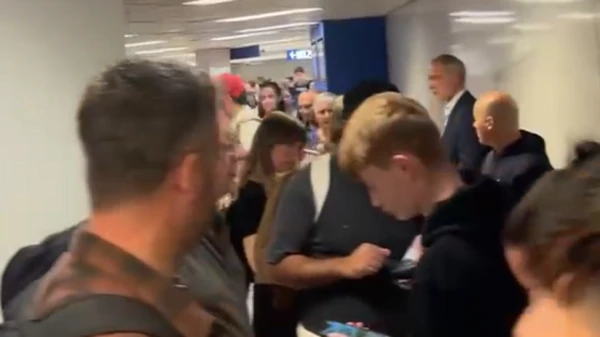
About 100 travelers were left stranded at Milan's Linate Airport on Sunday after missing their EasyJet flight to Manchester due to extensive border control queues that stretched up to three hours. The delays were attributed to the newly implemented European Entry/Exit System (EES), which requires biometric registration for non-EU visitors.
Passengers described scenes of distress, with some reporting vomiting and fainting in the heat while waiting in line. Kiera, a 17-year-old from Oldham, shared her ordeal: "We got here at 7:30 for our 11:00 flight, thinking we were early. When we finally reached the front of the queue around 10:50, they told us our plane had just departed. Only about 30 people made it on board."
"We won't be able to buy a sandwich at the airport for that, and we're going to be stuck here until we can fly tomorrow," Kiera added, referring to the £12.25 compensation offer from EasyJet after her family spent approximately £520 on alternative flights to Gatwick.
Adam Lomas, traveling with his wife and four-month-old daughter, expressed frustration over the lack of coordination: "The airport and EasyJet have spent hours arguing about who is to blame. We're now walking to a nearby hotel and will have to book flights to London since our daughter's car seat is in Manchester."
EasyJet acknowledged the situation while emphasizing that border control falls outside their jurisdiction. A spokesperson stated: "We are doing all possible to minimize the impact, including holding flights and providing free transfers. We continue to urge border authorities to utilize permitted flexibilities during EES implementation to avoid these unacceptable delays."
The UK government had previously warned travelers about potential extended wait times under the EES system, which officially launched on April 10 after being postponed from October. The automated system replaces manual passport stamping and requires fingerprint and facial image registration at first entry into the Schengen area.
Affected passengers now face additional expenses and logistical challenges, with some considering overnight stays at the airport or alternative travel routes through other Italian cities to return home.