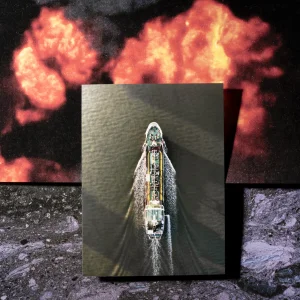
The Strait of Hormuz has long been the world's most precarious maritime chokepoint. A narrow stretch of water connecting the Persian Gulf to the Gulf of Oman, it handles nearly a fifth of total global oil consumption. However, mounting geopolitical friction has transformed this vital economic artery into a high-stakes vulnerability, forcing global powers to urgently rethink their energy logistics.
For decades, the threat of blockades or maritime harassment in the Strait has been enough to send global energy markets into a panic. In response to this persistent volatility, regional energy producers and international stakeholders are accelerating efforts to straighten out the supply chain bottleneck.
One primary strategy is the rapid expansion of overland infrastructure. Neighboring Gulf states are heavily investing in mega-pipelines designed to bypass the Strait entirely. Facilities like the United Arab Emirates' Habshan-Fujairah pipeline serve as critical safety valves, allowing millions of barrels of crude to reach international waters without ever navigating the contested chokepoint.
"The reliance on a single, easily disrupted waterway is a strategic liability the modern world can no longer afford. Diversifying export routes is no longer optional; it is a global economic imperative."
Beyond physical infrastructure, the long-term solution to the Hormuz bottleneck relies on a broader global paradigm shift. As nations accelerate their transition toward renewable energy sources, the overarching dependency on Middle Eastern fossil fuels will naturally decline, neutralizing the geopolitical leverage held over the waterway.
Until that green transition is fully realized, international naval coalitions will continue to aggressively patrol the region, ensuring the safe passage of commercial vessels while governments race to build a more resilient and diversified global energy network.