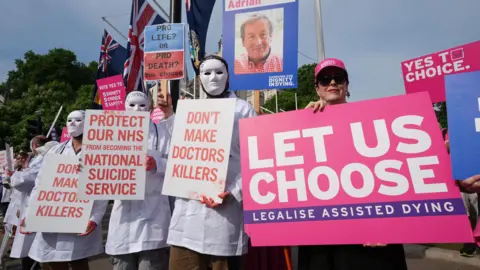
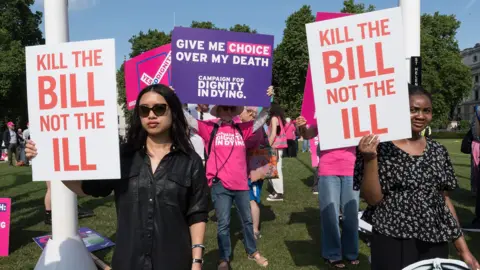
The controversial Assisted Dying Bill is officially dead in the water for the current parliamentary session, with both advocates and critics agreeing that time has run out.
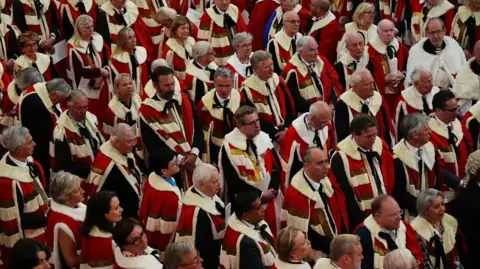
While the House of Lords continues to deliberate, it is now mathematically impossible to clear all legislative hurdles before the new parliamentary session begins in May. Proponents of the legislation accuse dissenting peers of deploying a filibuster strategy, bogging down the bill with a staggering 1,200 amendments—believed to be a record for a backbench proposal.
However, opponents argue the sheer volume of amendments reflects deep, unresolved flaws in the legislation. In a joint letter to MPs, prominent critics, including Paralympian Baroness Grey-Thompson and Labour peer Luciana Berger, declared the bill fundamentally "unsafe and unworkable." They argued it failed to protect society's most vulnerable from coercion and insisted that sweeping societal changes should not be handled via backbench legislation.
The pro-bill Dignity in Dying campaign issued a fiery rebuttal, accusing a "small, unelected group" of intentionally obstructing the democratic will of Parliament.
"Above all, this deliberate delay has a real human cost: one that is measured in the continued suffering of dying people and bereaved families who are being denied the choice, compassion and protection they want and need," the campaign stated.
Originally introduced by Labour MP Kim Leadbeater, the bill sought to allow terminally ill adults with a prognosis of six months or less to seek medical assistance to end their lives. Despite passing the House of Commons last June, the bill stalled in the Lords, where debate rules are far more flexible, and every single amendment demands consideration.
Prime Minister Sir Keir Starmer has faced mounting pressure from over 100 Labour MPs to forcefully clear a path for the legislation. Still, the government remains officially neutral. Anonymous government sources indicated that invoking the rarely used Parliament Acts to ram the bill through would ignite massive controversy, suggesting instead that a Royal Commission or independent public inquiry might be the proper venue to evaluate the issue moving forward.
For now, the push for assisted dying in England and Wales must wait for a legislative reset. Its revival next session will depend entirely on another backbench MP winning a priority slot in the parliamentary ballot, unless the government unexpectedly decides to adopt the deeply divisive issue as its own.