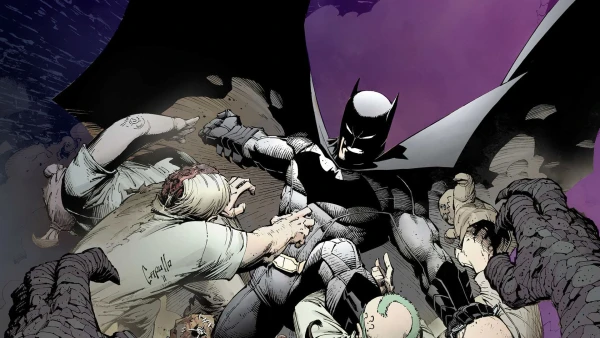
After decades of defining iconic superhero visuals, celebrated comic book artist Greg Capullo has hinted that his days of creating interior artwork may be coming to an end. The artist, best known for his transformative work on Batman during DC Comics' New 52 era and his dynamic contributions to Marvel's X-Men universe, suggested this career shift in recent statements.
Capullo's career spans over thirty years, beginning with his work on titles like "X-Force" and "Quasar" before achieving mainstream recognition with his long-running collaboration with writer Scott Snyder on Batman. His distinctive style—characterized by dramatic shadows, intricate detail, and kinetic energy—has left an indelible mark on the industry, influencing a generation of artists and helping to shape modern interpretations of beloved characters.
While Capullo did not explicitly announce retirement, he indicated a pivot away from the demanding schedule of monthly interior art, which involves illustrating entire comic book issues. This move could signal a focus on cover art, creator-owned projects, or other ventures within the comics sphere. Industry observers note that such transitions are not uncommon for veteran artists seeking to reduce workload while maintaining creative engagement.
The news has resonated across the comics community, with fans and colleagues reflecting on Capullo's legacy. His Batman run, in particular, is often cited for revitalizing the Dark Knight's visual identity, blending Gothic aesthetics with contemporary storytelling. As one of the last remaining artists from the 1990s boom still actively producing interior work at a major publisher, his potential departure marks a symbolic shift in the industry's landscape.
Capullo's influence extends beyond his published work; he has mentored emerging artists and been vocal about the physical toll of comic art production. His consideration of this change underscores broader conversations about sustainability and creative evolution in the field. Whether this leads to a complete cessation or a scaled-back role, Capullo's contributions remain a cornerstone of modern comic book artistry.