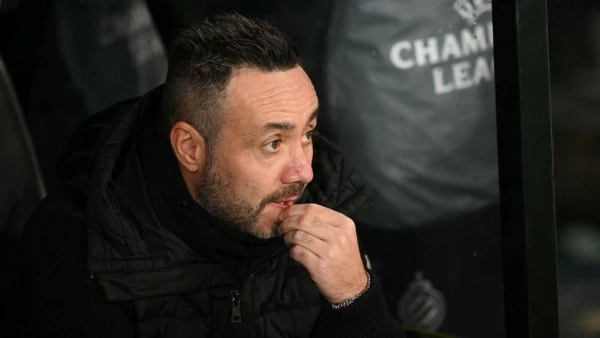
Tottenham Hotspur's appointment of Roberto De Zerbi as manager represents a dramatic departure from conventional relegation-battle wisdom. While clubs in crisis typically turn to pragmatic, defensive-minded coaches, Spurs have instead hired a manager renowned for his adventurous, possession-based attacking philosophy.
De Zerbi arrives with a reputation built on a high-risk, high-reward tactical approach that demands technical excellence and mental fortitude from his players. His system centers on drawing opponents forward before executing rapid passing sequences to transition from defense to attack in mere seconds.
"When it works, De Zerbi's sides turn possession in their own half into shots near the opposition's goal within a few seconds," noted a tactical analyst. "It's electrifying to watch, but the attacking rewards come with significant defensive vulnerability."
Central to De Zerbi's methodology is the psychological manipulation of opponents. His defenders are instructed to take multiple touches under pressure, sometimes even placing studs on top of the ball to provoke opposing forwards into abandoning their defensive shape. This creates the space needed for midfielders—positioned unusually close together—to receive passes and quickly redirect the ball to teammates facing forward.
This approach stands in stark contrast to the tactics employed by recently departed manager Thomas Frank, who prioritized safety by building attacks primarily down the flanks. While Frank's system minimized risk, it also limited creative opportunities in central areas.
Interestingly, De Zerbi may find some tactical familiarity among the Spurs squad. Former manager Ange Postecoglou implemented a similarly adventurous short-passing game that emphasized central penetration, though with different positional arrangements. This foundation could accelerate De Zerbi's implementation of his system during the critical final seven matches of the season.
Defensively, De Zerbi favors an aggressive, front-foot approach with coordinated man-to-man pressing triggered by opposition back-passes. Interim manager Igor Tudor briefly attempted to introduce similar defensive concepts, providing De Zerbi with at least some groundwork despite Tudor's unsuccessful tenure.
The appointment represents a calculated gamble. As one observer noted, "It's risky to hire a coach known for molding teams to his system rather than adapting to his players, especially during a relegation battle." Yet De Zerbi's recent successes and praise from elite managers like Pep Guardiola suggest his methods, while demanding, can produce exceptional results.
With Tottenham's survival hanging in the balance, the coming weeks will reveal whether De Zerbi's choreographed attacking patterns and aggressive defensive schemes can transform a struggling squad or prove too ambitious for their precarious situation.