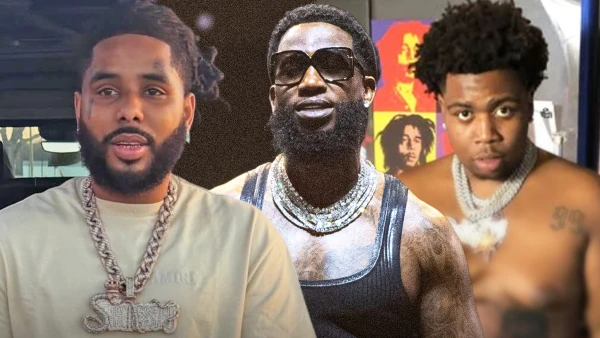
A high-profile federal kidnapping case involving rappers Pooh Shiesty and Gucci Mane may rest on a fundamental misunderstanding of what transpired during a tense studio encounter, according to defense attorneys representing two of the accused.
Prosecutors allege that on January 10, 2026, Pooh Shiesty (real name Lontrell Williams Jr.), fellow rapper Big 30 (Rodney Wright), and seven other individuals orchestrated a gunpoint robbery and kidnapping of Gucci Mane and several others at a Dallas music studio. The federal complaint suggests the motive was to force Gucci Mane to release Pooh Shiesty from his recording contract.
However, Arthur Horne Jr., attorney for Big 30, paints a different picture. While acknowledging "clearly there was a situation between Pooh Shiesty and Gucci Mane," Horne insists his client's presence was purely musical. He claims Big 30 had been waiting for Pooh Shiesty's release from prison in October 2025—after serving approximately three years on a federal gun conspiracy conviction—specifically to collaborate in the studio.
"The story told in the federal complaint could be a tall tale," Horne stated, revealing his client will plead not guilty to all charges.
According to the government's narrative, Gucci Mane visited the Dallas studio, leading to a heated conversation involving Pooh Shiesty and his father, Lontrell Williams Sr. The prosecution alleges that while Pooh Shiesty was incarcerated, Gucci Mane profited roughly $25 million from his music, fueling the demand for contract termination.
Horne emphasized the personal history between his client and Pooh Shiesty, noting they "grew up together and they have a very close bond." He also pointed out that Big 30 is signed to NLess Entertainment, a different music company, suggesting no direct financial stake in the alleged contract dispute.
Bradford Cohen, attorney for Pooh Shiesty, echoed skepticism about the prosecution's case, indicating plans to scrutinize the evidence closely. "We're going to examine the accuracy of the statements," Cohen remarked, hinting at potential flaws in the government's interpretation of events.
The defense's strategy appears to hinge on reframing the incident from a premeditated kidnapping to an unfortunate escalation of a business disagreement, challenging whether the facts support the severe federal charges brought against the nine defendants.