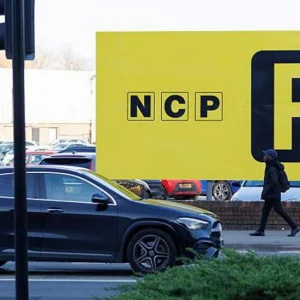
When one of the UK's most prominent parking operators plummeted into administration, the public reaction was largely one of sheer confusion. For a business famous for charging up to £65 for a daily ticket, how could National Car Parks (NCP) possibly run out of money?
With roughly 700 jobs currently hanging in the balance, the downfall of the ubiquitous parking giant highlights a perfect storm of modern economic pressures, shifting consumer behavior, and rigid financial structures.
The Shift in Habits
Boasting a portfolio of 340 sites that span airports, town centers, and hospitals, NCP has long been a staple of the British daily commute. However, the rise of remote working and the dominance of online retail have left many of its once-bustling concrete monoliths glaringly empty.
According to industry experts, the traditional five-day commuter is a vanishing breed. Alison Tooze of the British Parking Association (BPA) points out that post-pandemic travel habits have become highly erratic. Meanwhile, Nick Stockley from Mayo Wynne Baxter attributes the decline to a potent cocktail of flexible working, cost-of-living constraints, and the ongoing death of the high street.
Soaring Overheads
Despite fewer cars rolling past the barriers, the costs of keeping a multi-story car park operational have skyrocketed. Park24, NCP's Japanese parent firm, cited the war in Ukraine as a major catalyst for surging energy bills, which was then compounded by brutal, inflation-tied rent hikes across the UK.
The physical upkeep of these facilities is also immense. The BPA notes that maintaining adequate lighting, staffing, and structural integrity—especially as modern vehicles, particularly heavy electric cars, grow in size and weight—drains revenue. Furthermore, these sites often occupy prime urban real estate, leading to punishing business rates.
The App Revolution and Customer Revolt
NCP's failure to adapt to the modern driving experience also played a massive role. The AA's Edmund King observed that the company neglected to widen spaces as cars grew larger, leading to a frustrating rise in scratched doors.
Simultaneously, sky-high pricing alienated the customer base. Some motorists even calculated that risking a parking fine was more economical than paying NCP's exorbitant daily rates. This frustration fueled the explosive growth of peer-to-peer parking apps, allowing drivers to cheaply rent out private driveways.
"NCP didn't keep up with the changing world of more flexible and app-based local parking," King noted, adding that consumers ultimately "voted with their wheels."
Trapped by Debt and Leases
Financial mismanagement and restrictive contracts served as the final nails in the coffin. By September of last year, the company's debts outstripped its assets by a staggering £305 million. While car parks typically offer stable cash flows to service such debt, the pandemic-induced drop in footfall shattered that model.
Worse still, administrators at PwC revealed that NCP was suffocating under a massive concentration of long-term, inflexible leases. Unable to sublet, repurpose the concrete structures, or easily terminate unprofitable locations, the company was trapped paying massive rents regardless of its actual income.
The Road Ahead
As insolvency specialists sift through the wreckage, the immediate focus will be on aggressive cost-cutting. Michael Lynch, a restructuring expert at DMH Stallard, suggests that tough negotiations with landlords are imminent, as both sides play a tense game of seeing "who's gonna budge first."
While highly profitable locations near airports and major railway stations are expected to survive under new ownership, underperforming urban sites could see the wrecking ball. Experts predict that many obsolete town-center car parks will eventually be snapped up by residential developers eager to repurpose the land.
For now, PwC intends to keep the barriers up and the ticket machines running. Drivers can still park as usual, but the landscape of British parking has permanently shifted gears.