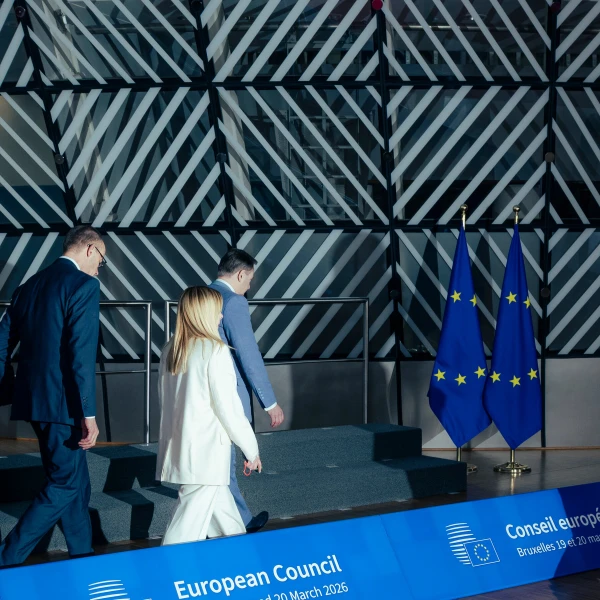
European capitals are preparing for a fundamental realignment in their approach to transatlantic relations, with senior officials indicating that the era of diplomatic accommodation toward certain U.S. political figures has reached its conclusion.
Multiple sources within European Union institutions and national governments confirm that a coordinated strategy is being developed to address what they describe as "unpredictable and transactional" approaches from across the Atlantic. This strategic pivot follows years of diplomatic efforts that many European leaders now characterize as ultimately ineffective.
"The consensus is clear—we cannot continue operating under the assumption that traditional diplomatic norms will be respected," stated a senior EU diplomat who requested anonymity due to the sensitivity of ongoing discussions. "European interests must be protected through more assertive and independent policy frameworks."
Key elements of this new approach include:
- Accelerated development of European defense capabilities independent of NATO structures
- Strengthening economic partnerships with alternative global partners
- Establishing clearer red lines in diplomatic engagements
- Reducing strategic dependencies in critical sectors
"This isn't about abandoning the transatlantic alliance, but about ensuring Europe can operate effectively regardless of political winds in Washington," explained a German foreign ministry official. "We're building resilience into our international relationships."
The policy shift comes amid growing concerns about the stability of international institutions and trade agreements that have formed the bedrock of post-World War II global order. European leaders emphasize that their approach remains pragmatic rather than confrontational, focused on protecting European sovereignty and economic interests.
Analysts note that this represents a significant departure from decades of European foreign policy, which has traditionally prioritized maintaining close alignment with Washington regardless of administration changes. The new strategy suggests European leaders are preparing for a more multipolar world where traditional alliances may prove less reliable.
Implementation of these policies is expected to unfold gradually over the coming months, with initial focus on defense cooperation and trade diversification. European officials stress that the ultimate goal remains constructive engagement with the United States, but on terms that better reflect European priorities and strategic autonomy.