For decades, Cesar Chavez was the undisputed face of the American agricultural labor movement, celebrated with statues, street names, and a state holiday. Today, that legacy is unraveling at an unprecedented pace.
Following a series of harrowing sexual abuse allegations against the late union leader, California lawmakers voted unanimously last week to strip his name from the state's official holiday, rebranding it simply as "Farmworkers Day." The legislative pivot reflects a deep, collective reckoning across a state that produces nearly three-quarters of the nation's fruits and nuts.
The swift downfall of Chavez's public image began in March when explosive claims came to light. Dolores Huerta, the 95-year-old civil rights icon who co-founded the National Farm Workers Association alongside Chavez, came forward with allegations that he had raped her decades ago. Huerta explained that she buried the trauma for years, terrified that speaking out would destroy the very movement they had built. Her account was accompanied by testimonies from two other women—daughters of farmworkers—who alleged Chavez molested them in the 1970s when they were underage.
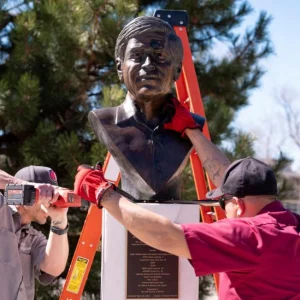
In the wake of the scandal, Chavez's once-untouchable mantra of "si, se puede" has been overshadowed by a rush to remove his likeness from the public square. Across the country, statues are being quietly removed from pedestals, while local governments debate renaming schools, parks, and avenues originally dedicated to him.
State Senator Suzette Martinez Valladares, who advocated for the holiday's name change, emphasized that the labor movement was never about one man. "The legacy of farmworkers belongs to families like mine across California—not to any one individual," Valladares said during a recent meeting, acknowledging the generations of laborers who endured brutal conditions in the fields.
The revelations have left many progressive leaders grappling with a painful cognitive dissonance. Los Angeles Mayor Karen Bass admitted she was "devastated" by the news. Bass noted that while Chavez was instrumental in inspiring her lifelong pursuit of social justice, her memory of the labor leader is now irrevocably "painful."
The cultural reckoning has also spilled into the streets of Los Angeles, where vibrant murals depicting Chavez are being altered or erased entirely. In the Watts neighborhood, artist MisterAlek took it upon himself to paint over his 2021 Chavez mural, replacing it with a vibrant portrait of Huerta. "After learning about all the new allegations... I felt somewhat responsible for changing the mural because it's my art piece," he explained, adding that Huerta perfectly embodies the vocal, boots-on-the-ground activism the community deserves to honor.
Yet, the push for total erasure is meeting some resistance from those who argue for historical context over destruction. JD "Zender" Estrada, an artist who painted a famous 1994 mural of Chavez in Boyle Heights, argues against the "whitewashing" of existing street art.
While Estrada expressed profound sympathy for the victims, he proposed a compromise: renovating the murals to decentralize Chavez and elevate the countless anonymous farmworkers—including vital contributors from the Philippines—who were the true backbone of the movement.
As California moves forward with "Farmworkers Day," the focus has definitively shifted away from the idolization of a single, flawed icon to a broader celebration of the workers themselves.