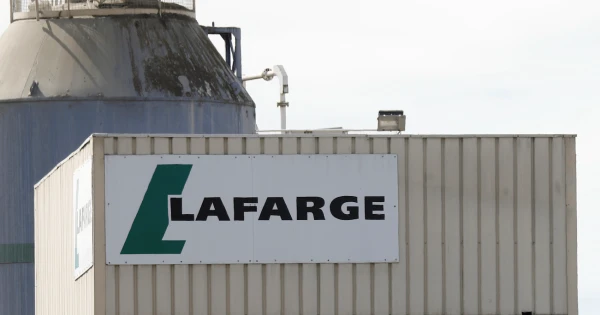
In a landmark ruling, a French court has convicted global cement giant Lafarge of providing financial support to armed factions during Syria's protracted civil conflict. The verdict marks a significant legal precedent, holding a major corporation accountable for its role in fueling violence abroad.
Prosecutors successfully argued that Lafarge's Syrian subsidiary funneled substantial funds to various militant groups, including extremist factions, to maintain operations at its Jalabiya plant. This financial backing allegedly enabled the company to continue cement production amid the chaos of war, prioritizing profit over ethical considerations.
Legal experts note this case establishes a new standard for corporate responsibility in conflict zones. "This ruling sends a clear message that businesses cannot turn a blind eye to the consequences of their operations," commented one international law specialist. "Companies must now rigorously assess their supply chains and local partnerships in volatile regions."
The conviction carries substantial financial penalties for Lafarge, which merged with Swiss firm Holcim in 2015. Beyond monetary sanctions, the company faces severe reputational damage and potential exclusion from future government contracts across multiple nations.
Human rights advocates have welcomed the decision as a victory for accountability. "For years, corporations have operated with impunity in war-torn areas," said a representative from a prominent watchdog organization. "This judgment demonstrates that economic interests cannot justify complicity in human suffering."
The case has prompted renewed scrutiny of multinational corporations operating in conflict zones worldwide, with calls for stricter regulations and enhanced due diligence requirements for businesses entering politically unstable regions.