Good Friday transforms not just the day's rhythm but also what we choose to watch. For many, especially in Filipino households, this solemn day has long meant turning to films about Jesus Christ—not merely from tradition, but because certain cinematic stories uniquely capture the day's reflective spirit.
At the most visceral end stands "The Passion of the Christ" (2004), Mel Gibson's unflinching depiction of Jesus' final hours. Clocking in at over two hours, the film immerses viewers almost entirely in suffering, making it a powerful, if harrowing, Holy Week experience that continues to command attention.
For those seeking a more traditional and reverent approach, "Jesus of Nazareth" (1977) remains a timeless classic. Franco Zeffirelli's production moves at a measured pace with a dignified tone, offering a portrayal that invites quiet contemplation rather than shock.
Pier Paolo Pasolini's "The Gospel According to St. Matthew" (1964) presents a starkly simple interpretation. Stripped of pageantry and epic gloss, the film feels immediate and inward, asking viewers to pay close attention to the narrative's raw essentials.
Martin Scorsese's "The Last Temptation of Christ" (1988) offers a profound meditation on Christ's humanity. Focusing on struggle, doubt, and the burden of destiny, it provides a complex Good Friday choice for viewers who find reflection in questions as much as certainties.
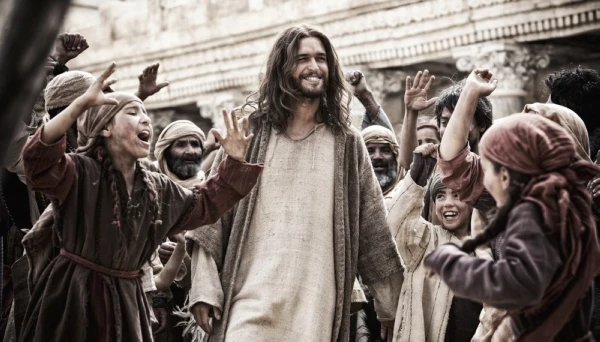
More accessible in tone is "Son of God" (2014), starring Diogo Morgado. This polished, heartfelt retelling of Christ's life from birth through resurrection provides clarity and reverence, making it a solid family-friendly option for the day.
What unites these five films is that they don't present one fixed image of Christ. One leans into anguish, another into majesty. One strips the story to its essentials, another explores inner tensions, and another opens it for contemporary audiences.
Together, they demonstrate that even the most familiar sacred story can be approached through different cinematic languages and emotional needs. More than seasonal viewing, these films offer pathways into Good Friday's spirit through stories that have moved generations, inviting reflection on suffering, sacrifice, and the enduring power of Christ's narrative.