As the escalating war between the United States, Israel, and Iran stretches into its second month, global energy markets are feeling the squeeze. With oil prices surging and the vital Strait of Hormuz caught in the crossfire, a surprising new diplomatic duo has emerged to calm the waters: China and Pakistan.
In a concerted push to end the hostilities, officials from Beijing and Islamabad have floated a comprehensive five-point peace proposal. The plan focuses on securing a ceasefire and unblocking critical maritime choke points. While Pakistan leans on its historical ties with Washington to engage President Donald Trump—who recently suggested US military action could wrap up in weeks—China is seizing the moment to position itself as a stabilizing counterweight to American power.
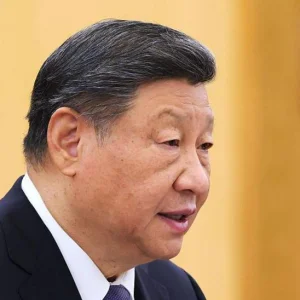
This diplomatic maneuvering comes just weeks ahead of high-stakes trade negotiations between Trump and Chinese President Xi Jinping. According to regional experts, Beijing’s backing is a calculated move.
"Morally, politically and diplomatically, China is providing comprehensive support with the hope that Pakistan can play a more distinctive role," notes Zhu Yongbiao, a Middle East specialist at Lanzhou University.
But Beijing’s sudden pivot from quiet observer to active peacemaker is driven by more than just international prestige. The real catalyst is economic self-preservation. While China—the world’s largest importer of crude—currently has enough oil reserves to weather immediate shortages, the broader threat of a protracted global energy crisis terrifies Beijing's leadership.
China relies heavily on international markets to buy its manufactured goods. An energy-driven global recession would severely damage its already fragile domestic economy, disrupting supply chains for everything from synthetic fabrics and plastics to semiconductors and electric vehicles.
Matt Pottinger, Chairman of the Foundation for Defense of Democracies’ China Program, believes Beijing’s urgency is genuine.
"If the rest of the world begins to slow down economically because of an energy shock, that's going to be tough for China's factories and exporters," Pottinger explains. "That's why I think when I see China's foreign minister just this week advising Iran that we need to find a way to end this war, I think there's some sincerity there."
Furthermore, the Middle East is no longer just a gas station for China; it is a booming market. Following previous US trade wars, Chinese exporters pivoted hard. Last year, China's exports to the Middle East expanded at nearly double the rate of its global average. Beyond buying 80% of Iran's oil, China is heavily invested in regional infrastructure, dominating the electric vehicle market and leading major desalination and construction projects across Saudi Arabia, the UAE, Oman, and Iraq.
Beijing is not entirely untested in Middle Eastern diplomacy. In 2023, it successfully brokered a landmark detente between bitter geopolitical rivals Saudi Arabia and Iran. A year later, it hosted Palestinian factions, resulting in a symbolic unity agreement.
However, China's peacemaking relies exclusively on economic leverage, entirely devoid of the military security guarantees that define American influence. The US maintains heavily fortified bases across the Gulf; China’s sole regional military footprint is a logistics hub in Djibouti, built primarily for anti-piracy operations.
There is also the question of credibility. Xi’s attempt to brand China as a champion of a pragmatic, rules-based international order is frequently undermined by its partnership with Russia, its aggressive posturing toward Taiwan, and its domestic human rights record.
Neither Washington nor Tehran has formally responded to the Sino-Pakistani peace initiative. Regardless of the outcome, Beijing has effectively signaled its intent: China is no longer content to remain on the sidelines, and it intends to use its immense economic gravity to shape the future of the Middle East.