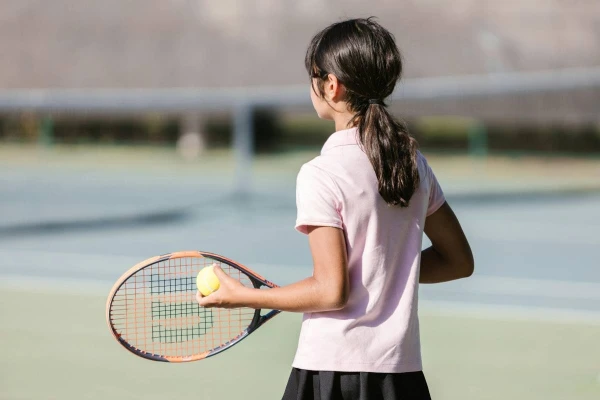
While tennis stars like Filipina ace Alex Eala make powerful groundstrokes and polished play look effortless on TV, the reality is far more demanding. "Tennis is one of the most difficult games to master," explains Dr. Carlo Angelo V. Borbon, a sports medicine specialist and orthopedic surgeon at Makati Medical Center. "It's a highly physical, full-body sport that demands speed, agility, and hand-eye coordination to hit a ball traveling 70 to 90 mph."
Beyond the cardiovascular benefits, muscle toning, and boosted self-esteem, the sport's repetitive motions and sudden directional changes come with a risk of injury that has sidelined even top professionals.
Common Tennis Injuries and Prevention Strategies
- Tennis Elbow: Characterized by chronic pain and weakness on the outer elbow, this overuse injury stems from the forearm muscles and tendons. Dr. Borbon advises rest followed by physical therapy to strengthen the arm and prevent recurrence.
- Wrist Injuries: Ranging from microscopic tendon tears to sprains, these injuries cause soreness, swelling, and weakness. Often due to overuse or equipment changes, prevention can include using a supportive wrist brace and ensuring proper racquet fit and grip technique.
- Knee Problems: The sport's sprints, pivots, and jumps place significant impact on the knees, leading to issues from meniscus wear to ligament tears. Wearing tennis-specific shoes with proper cushioning and choosing softer surfaces like clay courts can help mitigate this risk.
- Rotator Cuff Strains: Repetitive serving and stroke motions can stretch and tear shoulder muscles and tendons. Treatment mirrors other injuries: rest, targeted strengthening exercises, and proper conditioning are key.
- Back Injuries: The serve's sequence of hyperextension, torso rotation, and forward bending places substantial strain on the lower back, potentially leading to chronic pain or stress fractures. Working with a coach to refine serve technique is a crucial preventive measure.
For acute issues like tennis elbow, wrist, or knee injuries, initial recovery often involves icing, pain relief, and reduced activity. Persistent pain warrants a doctor's consultation before returning to play.
"While injuries are inevitable in any sport, prevention is key," emphasizes Dr. Borbon. "Don't do too much too soon. Warm up, cool down, invest in quality shoes and a proper racquet, complement tennis with strength training, and ensure adequate rest."
He notes that while surgery remains an option for injuries unresponsive to conservative treatment, it is costly and requires lengthy recovery. "At the first sign of injury, scale back and treat it immediately," he advises. "That way, you can enjoy many years in the sport."