
Historically, moments of international peril have forced British politicians to set aside their differences and stand united. However, as 2026 unfolds, that tradition appears entirely broken.
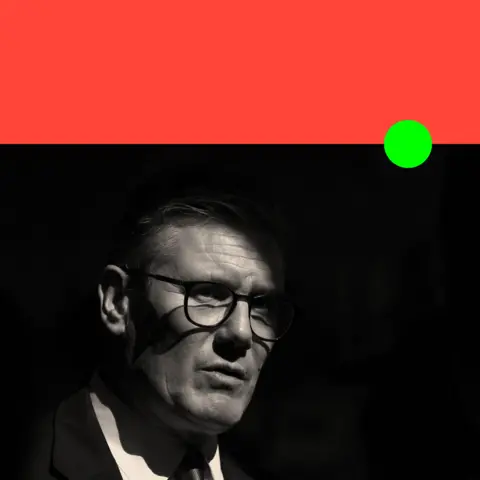
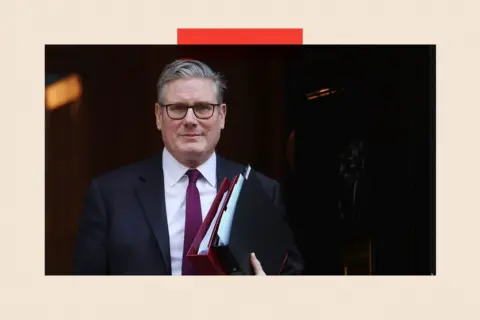
Despite commanding a massive parliamentary majority, Prime Minister Sir Keir Starmer finds his Labour Party deeply agitated. Beneath the surface of an escalating Middle Eastern crisis, his political foundation is beginning to crack.
"There is a significant amount of anxiety," one cabinet minister disclosed. They noted widespread doubts regarding the government's capacity to shield the public from what the International Energy Agency has dubbed the most severe global energy security threat in history.
Furthermore, public backing for escalating UK military involvement is highly questionable. This unease follows the recent authorization for the United States to utilize British military installations for strikes against Iranian positions threatening the vital Strait of Hormuz.
With critical local elections merely weeks away, millions of voters are poised to deliver their verdict. Current polling indicates the results will be far from a tidy victory for the ruling party, setting the stage for a messy electoral fallout.
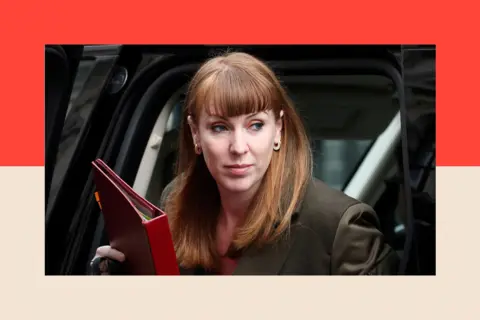
As the Prime Minister wrestles with a foreign conflict entirely beyond his control, his own Members of Parliament are actively undermining his agenda at home. Most notably, former deputy Angela Rayner has aggressively re-entered the political spotlight in recent weeks.
Rayner is spearheading a faction of Labour MPs resisting Home Secretary Shabana Mahmood's stringent new immigration policies. This rebel group is contemplating forcing a parliamentary vote unless Mahmood abandons her core proposals—specifically a controversial measure requiring migrants to wait ten years, rather than five, to achieve permanent UK residency.
Allies of the Home Secretary firmly believe that the British public demands tighter border controls, remaining resolute despite the internal Labour backlash. "Once again we have people out of step with the country," these sources argue, asserting that far more voters have defected to Reform UK over perceived immigration leniency than have fled to the Greens over strictness.
Learning from a recent humiliating retreat on welfare reforms, Mahmood intends to roll out these immigration changes incrementally rather than risking a single, explosive showdown in the House of Commons.
Still, government ministers are acutely aware of the optics. One senior figure cautioned rebels against sparking an internal war while the Iranian conflict intensifies, urging them to take a deep breath and focus on the political rewards of unity. Another exasperated insider lamented the "classic fighting amongst ourselves" at a time when global governance should be the priority.
But the internal strife exploded when Angela Rayner launched a blistering public attack. Going beyond parliamentary maneuvering, she delivered a London speech branding the immigration proposals as fundamentally "un-British." She ominously added that Labour was "running out of time" and that the party's very survival was on the line.
Rayner's intervention has incensed some colleagues, who find it hypocritical for someone facing tax investigations to lecture the Prime Minister on British values. Others interpret her prominent City speaking engagements as the groundwork for a leadership challenge, anticipating a Labour bloodbath in the upcoming May elections.

Amid the escalating turmoil in the Middle East, many within the party view leadership maneuvering as wildly self-indulgent.
The onset of war had temporarily suppressed Labour's internal divisions, convincing some that a leadership challenge was wholly inappropriate. Yet, Rayner's recent maneuvers demonstrate that internal opposition to the government's trajectory is merely dormant, not dead.
Starmer can no longer guarantee his party's backing on sensitive issues like immigration. The looming May elections could easily reignite leadership anxieties. Furthermore, structural shifts within Labour could soon weaken his grip on power.
This summer, elections for the National Executive Committee (NEC)—Labour's governing body—will take place. Historically, Starmer has relied on a compliant NEC, utilizing it to block rivals like Andy Burnham from parliamentary candidacies. An influx of new committee members could render Starmer's position far more vulnerable.
Despite the chaos, the government insists it can manage both domestic and foreign affairs. "The world is on fire and we are doing what we can to protect people, but we also have to show we can chew gum and walk forward," a government source stated.
Labour's strategy for the May elections centers on a "Pride in Britain" campaign. The initiative focuses on funneling Whitehall funds directly into local communities to revitalize high streets and launch civic projects. Given the administration's plummeting approval ratings, critics question whether such micro-promises can reverse their political fortunes.
Government officials hope that funding small-scale initiatives—like local playgrounds and community pubs—will project an image of a functional state. As one insider explained, the goal is to deliver "visible change" so voters recognize that the government still "has its hands on the wheel, despite almost perma-crisis around the world."
The May elections present a prime opportunity not only for internal Labour dissidents but also for external political challengers to capitalize on the government's vulnerability.
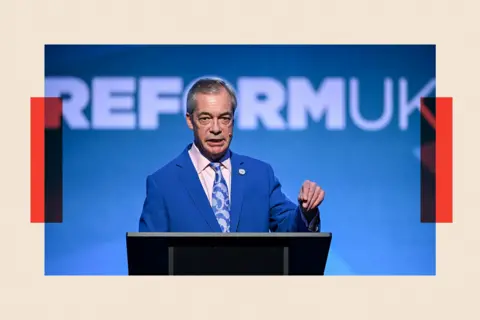
A primary threat remains Reform UK, though insiders from both Labour and the Conservatives believe the party's momentum has plateaued. Their poll dominance is notably weaker than it was during their meteoric rise last year.
Reform's leader, Nigel Farage, recently faced intense scrutiny after an investigation revealed he had recorded video messages supporting an individual convicted of violent disorder, as well as a neo-Nazi event, via the platform Cameo. Reform stated Farage abandoned the platform for security reasons and had recorded the clips in good faith, but the incident highlights the harsh scrutiny the party now faces as it attempts to solidify its standing.
Furthermore, Reform faces a new challenger on the political right: Restore Britain. Founded by former Reform MP Rupert Lowe following a bitter dispute with his old party, Restore is actively building an online base and has officially registered as a political entity.
Restore claims its membership now exceeds that of the Conservative Party, though such figures remain closely guarded. Targeting seats in Great Yarmouth this May, Restore insiders assert their growth is driven by a rejection of "woke stuff" in favor of common-sense rhetoric. However, national polling suggests the splinter group has yet to make any meaningful electoral impact.