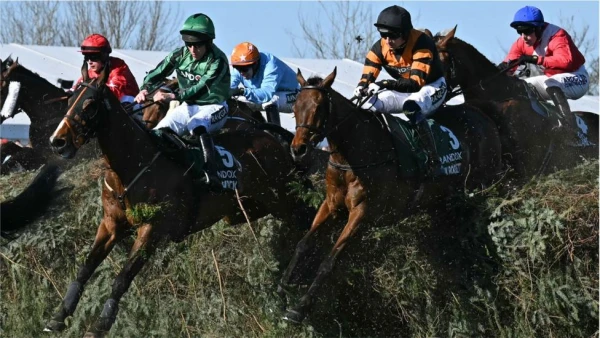
The Grand National at Aintree stands as one of the most anticipated events in British horse racing, yet with 34 contenders, selecting the victor often feels like a gamble. Could historical statistics offer a strategic edge for the 2026 race?
Since 2000, there have been 25 editions of the race, excluding the 2020 cancellation due to the pandemic. The shortest-priced winner was Tiger Roll at 4-1 in 2019, marking the first consecutive champion since Red Rum in the 1970s. In contrast, Mon Mome's 2009 victory at 100-1 represents the highest odds, while last year's winner, Nick Rockett, triumphed at 33-1.
The average winning price this century hovers just below 24-1, with eight winners priced at 33-1 or higher, suggesting that longshots shouldn't be dismissed outright.
However, recent trends show a shift: over the past decade, winners have been priced at 11-1 or shorter in half of the renewals. Favorites have claimed victory six times since 2000, including three in the last six years, such as I Am Maximus in 2024. Additionally, the favorite or a joint-favorite has secured a top-five finish in 12 other instances during this period.
When it comes to weight, no clear pattern emerges from the last 25 races, with winners carrying between 10st 3lb and 11st 9lb. This range would exclude the top six in the current field, notably I Am Maximus, who aims to be the first top-weight winner since Red Rum in 1974. Yet, nine of the past 11 champions have borne weights between 10st 5lb and 11st 8lb, potentially narrowing the options. Historically, the average winning weight falls between 10st 12lb and 10st 13lb, with 11st 6lb being the most successful individual weight, boasting three victories.
Age trends provide clearer insights, especially in recent years. No horse aged 10 or older has won since 2014, and in 2022, Noble Yeats broke a long-standing pattern by becoming the first seven-year-old champion since Bogskar in 1940. This data points toward horses aged eight or nine as prime candidates for the 2026 title.