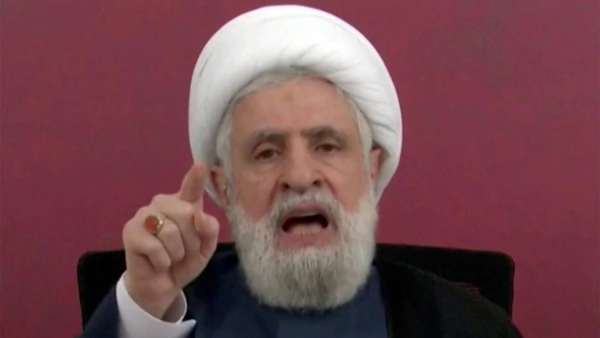
Hezbollah's deputy leader, Naim Qassem, has called on the Lebanese government to withdraw from an upcoming meeting in Washington where Lebanese and Israeli officials were scheduled to engage in direct negotiations. The talks, which were intended to address long-standing border disputes and regional tensions, have drawn sharp criticism from the Iran-backed militant group, which views any formal dialogue with Israel as a betrayal of Lebanese sovereignty.
Qassem's statement underscores the deep political divisions within Lebanon, where Hezbollah wields significant influence over foreign policy decisions. The group has consistently opposed normalization with Israel, advocating instead for a strategy of resistance. This latest development threatens to further complicate Lebanon's fragile political landscape and its efforts to navigate international diplomacy.
The proposed negotiations, mediated by the United States, were seen as a potential step toward de-escalating hostilities along the Lebanon-Israel border, where sporadic clashes have raised fears of a broader conflict. However, Hezbollah's rejection highlights the challenges facing any peace initiative in the region, as non-state actors continue to shape the geopolitical dynamics.