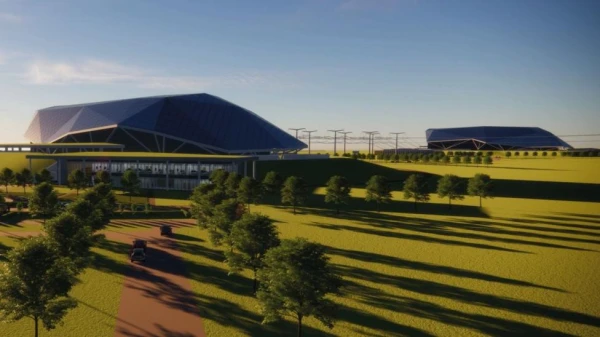
The UK government has granted approval for construction to begin on a groundbreaking nuclear power station at Wylfa on Anglesey, a move set to generate approximately 8,000 new jobs nationwide.
Following a £2.5 billion partnership signed last year with Rolls-Royce, ministers have selected the site in north-west Wales to host the nation's first fleet of small modular reactors (SMRs). According to the company, the project will create 3,000 positions locally and an additional 5,000 across the country.
Tom Greatrex, chief executive of the Nuclear Industry Association, hailed the decision as "a historic step for clean power, industrial growth and skilled jobs in Wales." He noted that Wylfa possesses "unique strengths" and that the development will pave the way for three SMR units—manufactured off-site in modular sections before assembly.
"The sector stands ready to help make the country's first SMR fleet a success, putting Britain at the forefront of new nuclear development," Greatrex added.
Collectively, the three reactors are projected to produce enough electricity to power around 3 million homes for over six decades. The project remains subject to a final investment decision anticipated by the end of the decade, with the reactors expected to become operational in the 2030s after clearing all planning and regulatory requirements.
Wylfa previously operated as a nuclear power station for 44 years, beginning generation in 1971 and employing thousands before its last reactor was decommissioned in 2015. Earlier replacement plans were abandoned in 2021, making this new proposal a significant revival for the site.
Chris Cholerton, chief executive of Rolls-Royce SMR, described the agreement as an example of the UK government's "golden age of new nuclear being delivered successfully with British technology." He emphasized that the deal provides "certainty" for the UK's SMR program.
Ed Miliband, the UK Energy Secretary, called the approval "a major milestone" for Britain's energy security, stating: "Our clean energy mission is the only route to getting off the rollercoaster of fossil fuels and take back control of our energy independence."
Local officials welcomed the announcement while urging careful consideration of community impacts. Christian Branch of Anglesey Council stressed that residents must "remain central" to the project, highlighting the need to manage effects on infrastructure and the environment.
"We look forward to continuing our constructive partnership to secure lasting and positive outcomes for Anglesey and future generations," Branch said.