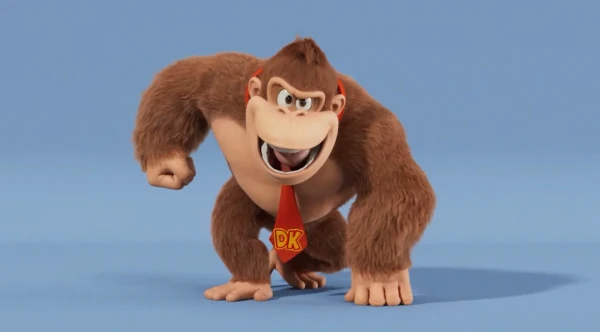
In a landmark 1983 legal showdown that would shape the future of video game intellectual property, Universal Studios sued Nintendo over the wildly popular arcade game Donkey Kong, claiming it infringed on their King Kong copyright. Newly surfaced court documents reveal how Nintendo's legal team successfully defended their creation against the entertainment giant.
Universal argued that Donkey Kong's premise—a giant ape climbing buildings while a hero tries to rescue a woman—was too similar to their iconic King Kong story. The studio demanded Nintendo cease production and pay substantial damages.
However, Nintendo's defense uncovered a critical weakness in Universal's case. As one legal document reveals, "Universal had previously argued in other court proceedings that King Kong was in the public domain, undermining their copyright claim against Nintendo."
This strategic contradiction proved devastating to Universal's case. The court ultimately ruled in Nintendo's favor, establishing important precedents for video game originality and corporate intellectual property strategy. The decision allowed Donkey Kong to continue its successful run, eventually becoming one of gaming's most enduring franchises.
The case demonstrated how even emerging technology companies could successfully defend their creative works against established entertainment conglomerates, setting the stage for decades of video game innovation and legal protection.