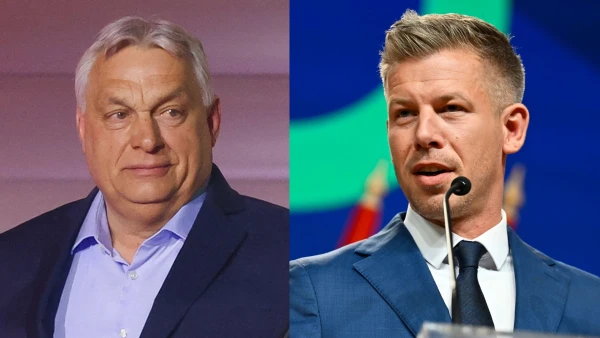
Hungary's political landscape has undergone a dramatic transformation as the opposition coalition secured a decisive victory over Prime Minister Viktor Orban's government in the national elections. The result marks a significant shift in the country's political direction after years of Orban's leadership.
"This victory represents a clear mandate for change from the Hungarian people," stated an opposition spokesperson following the announcement of the results. "We are committed to restoring democratic institutions and addressing the concerns that have been growing across our nation."
The election outcome comes after months of intense campaigning where opposition parties united behind a common platform focused on anti-corruption measures, economic reforms, and strengthening Hungary's position within the European Union. Analysts note that voter turnout reached record levels, with citizens across urban and rural areas participating in what many described as the most consequential election in recent Hungarian history.
Political observers suggest several factors contributed to the opposition's success, including growing public frustration with economic policies, concerns about democratic backsliding, and effective coalition-building among previously fragmented opposition groups. The result is expected to have significant implications for Hungary's foreign policy, particularly regarding its relationships with EU institutions and neighboring countries.
As the transition of power begins, attention now turns to the opposition's ability to implement its promised reforms while navigating the complex political landscape that has developed during Orban's tenure. The international community is closely watching Hungary's next steps, with many European leaders expressing optimism about renewed cooperation with Budapest.