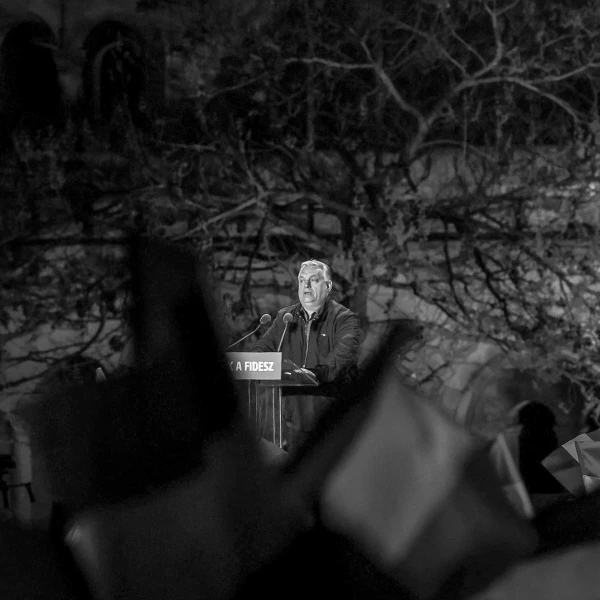
In a stunning political reversal, Hungary's fragmented opposition parties have successfully united to defeat Prime Minister Viktor Orban's Fidesz party, ending his 12-year grip on power in what analysts are calling the most significant European election upset in recent memory.
"This victory demonstrates that democracy can prevail even when the playing field is tilted," said opposition leader Peter Marki-Zay, who will become Hungary's next prime minister. "Hungarians have chosen hope over fear, unity over division, and Europe over isolation."
The opposition coalition—comprising six ideologically diverse parties ranging from left-wing to conservative—managed to overcome Orban's formidable political machine through unprecedented coordination. Despite facing a media landscape dominated by pro-government outlets and an electoral system critics say favors Fidesz, the opposition secured a narrow but decisive parliamentary majority.
International observers noted the election's significance extends beyond Hungary's borders. "Orban's defeat marks the first time his model of 'illiberal democracy' has been rejected at the ballot box," said European political analyst Klara Novak. "This sends a powerful message to other leaders who have embraced similar approaches."
The incoming government faces immediate challenges, including soaring inflation, strained relations with the European Union, and the need to rebuild democratic institutions. Opposition leaders have pledged to restore judicial independence, strengthen anti-corruption measures, and return Hungary to what they describe as its traditional place at the heart of Europe.
Orban, who has not yet made a public statement, is expected to lead the opposition in parliament. His defeat represents a dramatic shift for a leader who had positioned himself as a standard-bearer for nationalist conservatism across the continent.