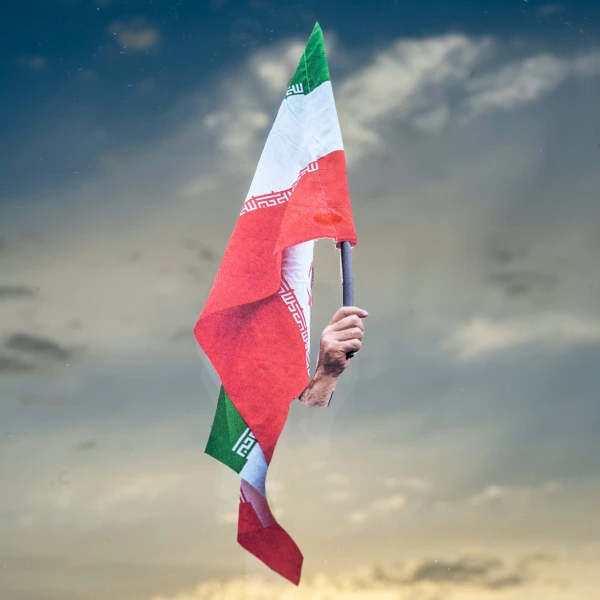
A seismic shift in global power dynamics is underway as Iran leverages its strategic position at the Strait of Hormuz to emerge as a fourth major world power alongside the United States, China, and Russia. This transformation challenges the long-held assumption that economic scale and military might alone determine geopolitical influence.
Rather than matching the economic or military capabilities of traditional superpowers, Iran's newfound authority stems from its effective control over the world's most critical energy choke point. The Strait of Hormuz, once an open international waterway, has become a selectively restricted passage following military actions by the United States and Israel against Iran.
"If Iranian control over the strait persists for months or years, as I believe it may, it will drastically reshape the global order to the detriment of the United States," notes Dr. Robert A. Pape, a University of Chicago professor specializing in military strategy and international security.
Approximately one-fifth of global oil and liquefied natural gas supplies traverse this narrow passage, with no viable alternative routes available in the near term. While many analysts anticipate a swift resolution through U.S. and allied naval intervention, this expectation overlooks Iran's sophisticated approach to controlling the waterway.
Contrary to assumptions that Iran must physically blockade the strait, the country has demonstrated that selective military pressure achieves the same result. Tankers continue to navigate the waters, but traffic has plummeted by over 90% since hostilities began. The key mechanism isn't wholesale destruction of vessels but rather the credible threat of attack, which has prompted insurers to withdraw or dramatically increase war-risk coverage.
Iran's strategy of targeting cargo ships intermittently—approximately every few days—has proven sufficient to render the risk unacceptable for commercial shipping. This calculated approach allows Iran to maintain influence without triggering a full-scale international military response, establishing a new paradigm for how regional powers can leverage geographic advantages to reshape global power structures.