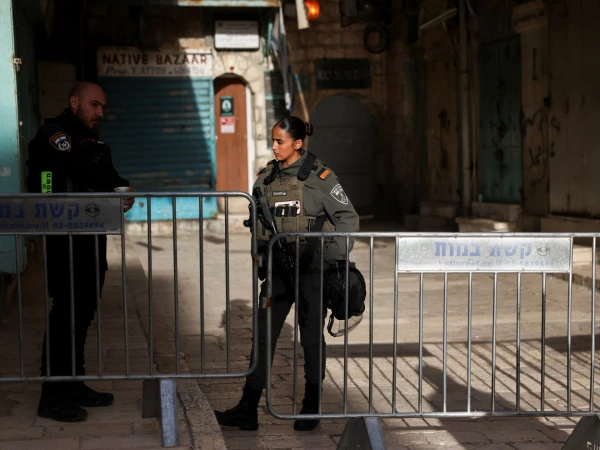
In a significant shift that has drawn international attention, Israel is actively dismantling long-standing religious agreements in Jerusalem to assert greater authority over Muslim and Christian holy sites. This move represents a fundamental challenge to the delicate Status Quo arrangements that have governed religious access and administration for decades.
Observers note that the changes appear designed to consolidate Israeli control over key religious institutions, potentially reshaping the spiritual identity of one of the world's most contested cities. The Status Quo, which has historically balanced access and authority among different faith groups, is being systematically undermined through administrative and legal measures.
Religious leaders from affected communities have expressed deep concern about these developments, warning that they threaten the fragile interfaith equilibrium in Jerusalem. The alterations could have far-reaching implications for worship practices, property management, and religious autonomy at sites considered sacred by billions worldwide.
This strategic reconfiguration of religious governance comes amid ongoing geopolitical tensions in the region, raising questions about its broader political implications and potential impact on interfaith relations in the Holy Land.