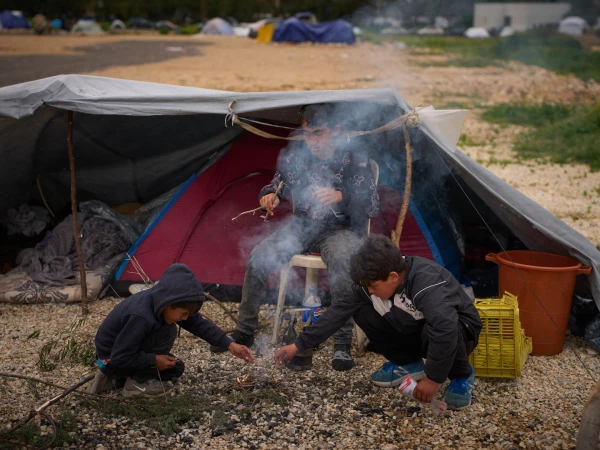
A humanitarian crisis is unfolding in Lebanon as Israeli military operations have forced approximately 1.2 million people to flee their homes, according to recent assessments. Many of those displaced are experiencing this trauma for the second time in recent months, compounding the psychological and physical toll on vulnerable populations.
"Families are being uprooted repeatedly, facing unimaginable hardship with each displacement," noted a humanitarian worker on the ground. "The cycle of fleeing and returning only to flee again is devastating communities."
The scale of displacement represents one of the largest population movements in the region's recent history, overwhelming local infrastructure and aid organizations. Emergency shelters are reportedly at capacity, with many families taking refuge in schools, mosques, and makeshift camps.
International observers have expressed concern about the long-term implications of such widespread displacement, particularly for children and elderly populations who face heightened risks during evacuation and relocation. The repeated nature of the displacements has disrupted education, healthcare access, and livelihoods across affected areas.
As diplomatic efforts continue to seek a resolution to the escalating conflict, humanitarian agencies are calling for increased international support to address the immediate needs of displaced populations while warning of potential long-term consequences for regional stability.