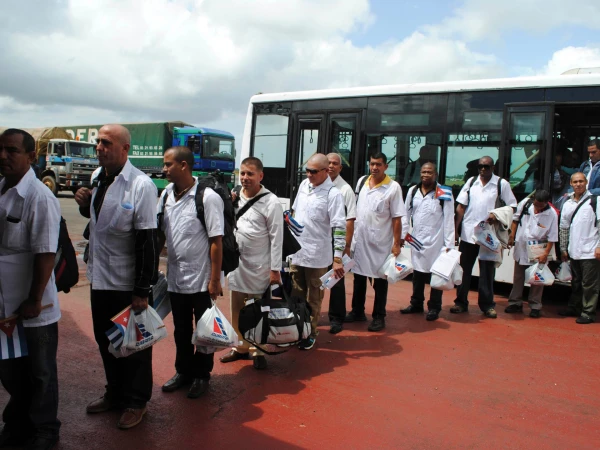
For over six decades, Cuba has quietly built a remarkable legacy of international medical assistance, sending thousands of doctors and healthcare professionals to underserved regions worldwide. This humanitarian outreach—often described as medical diplomacy—has become a defining feature of the island nation's foreign policy, earning praise from global health organizations and recipient countries alike.
However, this story of solidarity now faces escalating pressure from longstanding US economic sanctions. The comprehensive embargo, first imposed in the early 1960s, continues to restrict Cuba's access to medical supplies, equipment, and international financing—creating significant challenges for both domestic healthcare and overseas medical missions.
While Cuban medical teams work in remote clinics across Africa, Latin America, and disaster zones, US naval vessels patrol nearby waters, symbolizing the persistent geopolitical tensions between the two nations. This juxtaposition highlights a fundamental conflict: one nation's commitment to global health cooperation versus another's strategic containment policies.
Public health experts warn that the sanctions' ripple effects extend beyond Cuba's borders, potentially undermining healthcare delivery in communities that rely on Cuban medical personnel. As diplomatic relations remain strained, the future of this unique form of international cooperation hangs in the balance between humanitarian imperatives and political calculations.