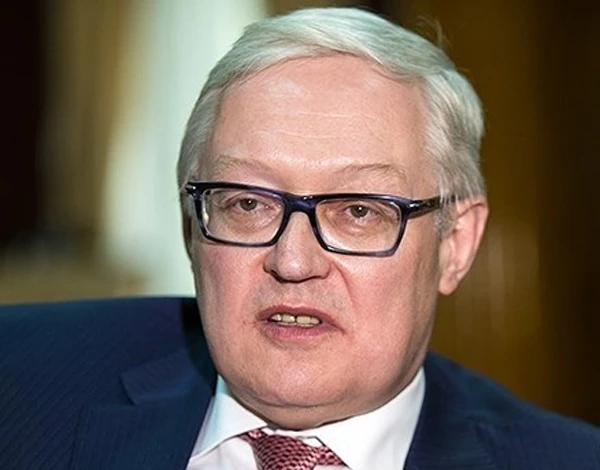
In a significant diplomatic move, Russia's Deputy Foreign Minister Sergey Ryabkov has publicly praised the "special" relationship between Moscow and Havana, signaling a deepening of ties between the two nations as geopolitical tensions escalate.
During a recent meeting with Cuban officials, Ryabkov emphasized the historical significance of their partnership, stating, "Our bilateral relations have always been characterized by mutual respect and shared strategic interests. We are committed to strengthening this special bond across all sectors."
This renewed commitment comes at a time when both countries face increasing international pressure. Russia continues to navigate sanctions following its military actions in Ukraine, while Cuba grapples with longstanding economic challenges and U.S. embargo restrictions.
Analysts suggest this diplomatic overture represents more than just symbolic gestures. The two nations are reportedly exploring expanded cooperation in several key areas:
- Economic Collaboration: Enhanced trade agreements and investment in Cuba's energy and infrastructure sectors
- Security Partnerships: Potential military cooperation and intelligence sharing arrangements
- Diplomatic Coordination: Joint efforts to counter what both nations describe as "Western hegemony" in international forums
"This isn't merely about nostalgia for Cold War alliances," noted geopolitical analyst Maria Rodriguez. "Both Moscow and Havana see tangible benefits in presenting a united front against what they perceive as common challenges to their sovereignty and development models."
The timing of Ryabkov's statements appears deliberate, coinciding with increased Russian diplomatic activity in Latin America. Observers note that strengthening ties with Cuba provides Russia with a strategic foothold in the Western Hemisphere, just 90 miles from the United States.
While the exact details of new agreements remain undisclosed, both governments have indicated that formal announcements regarding specific collaborative projects will follow in the coming weeks. This development underscores how historical alliances are being recalibrated in response to contemporary global power dynamics.