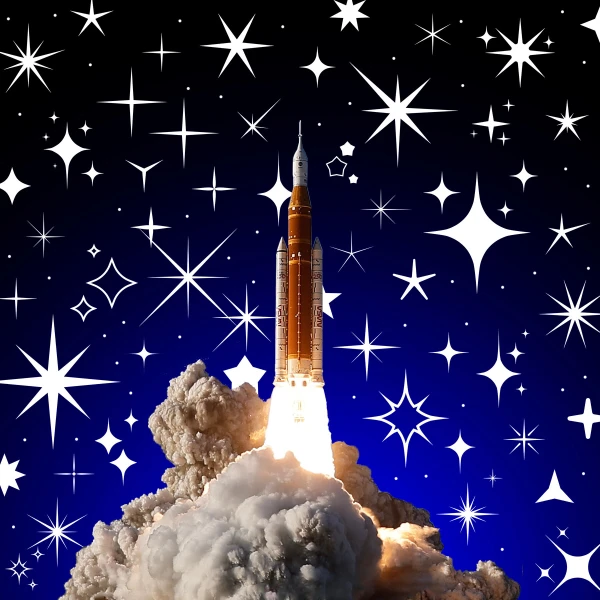
NASA's ambitious Artemis program, which aims to return humans to the Moon by 2025, is encountering significant financial challenges as Congress debates federal spending priorities. The space agency's budget request for the next fiscal year includes substantial funding for Artemis, but lawmakers are divided over the allocation of resources.
"While we remain committed to the vision of Artemis, we must ensure that taxpayer dollars are spent wisely and that we have a clear path forward," said Representative Frank Lucas, chair of the House Science Committee, during a recent hearing.
Critics argue that the program's costs have ballooned beyond initial estimates, with some projections suggesting that the total price tag could exceed $100 billion over the next decade. Proponents, however, emphasize the scientific and technological benefits of lunar exploration, including potential advancements in robotics, materials science, and international cooperation.
NASA Administrator Bill Nelson defended the program, stating that Artemis represents a crucial step toward future missions to Mars and beyond. "This isn't just about planting flags and leaving footprints," Nelson remarked. "It's about establishing a sustainable presence on the Moon and leveraging that experience for the next giant leap."
The budget impasse comes at a critical time for NASA, as the agency prepares for the first uncrewed test flight of the Space Launch System rocket later this year. Delays in funding could push back subsequent missions, including the planned crewed lunar landing.
Industry analysts note that private space companies, such as SpaceX and Blue Origin, are also investing heavily in lunar technologies, which could complement or compete with NASA's efforts. The evolving landscape of space exploration raises questions about the role of government agencies versus commercial entities in shaping humanity's future beyond Earth.
As debates continue on Capitol Hill, the fate of Artemis hangs in the balance, with implications for America's leadership in space and the broader trajectory of human exploration.