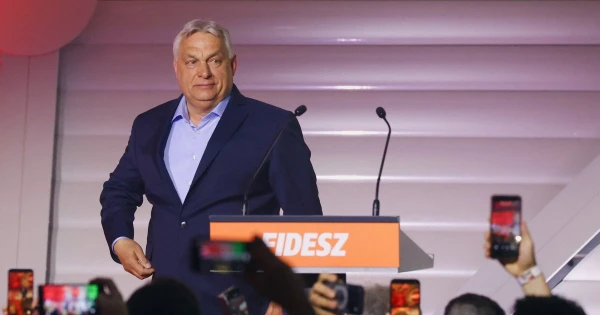
Despite Viktor Orban's recent political setback in Hungary, the ideological framework he championed—often termed 'Orbanism'—continues to exert significant influence across the European Union. Analysts point to the EU's own internal contradictions as a key factor in the persistence of this political model.
The very stepping stones Orban used—the EU's illiberal tendencies and growing militarism—remain firmly in place, providing fertile ground for similar movements elsewhere.
This resilience suggests that defeating a single leader does not equate to dismantling the broader political currents they represent. The article examines how structural elements within European institutions inadvertently sustain the appeal of nationalist, anti-establishment politics.