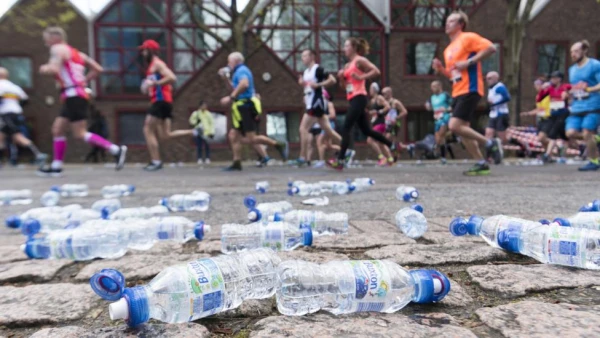
The iconic Paris Marathon is set to make history this weekend by implementing a groundbreaking environmental initiative that's sparking debate across the running community. For the first time at a major mass-participation event, organizers have completely banned single-use water cups and plastic bottles along the entire 26.2-mile course.
Instead of the traditional hydration stations where runners grab disposable cups, participants must now carry their own reusable containers—whether soft flasks, collapsible cups, or hydration packs—to refill at designated water points. This dramatic shift aims to eliminate the mountains of waste typically generated by marathon events, where thousands of discarded cups litter the streets each year.
"This represents the future of sustainable mass participation events," said Thomas Delpeuch, director of the Paris Marathon. "While it's a significant change from tradition, our trials have shown the system to be both successful and efficient."
Organizers have increased the number of aid stations from eight to thirteen to accommodate the new system and have implemented water spray stations as additional safety measures in case of warm weather. Representatives from other major marathons including London, New York, and Chicago are expected to observe the event closely, potentially signaling a broader industry shift.
The decision has created a sharp divide among runners. Some applaud the environmental commitment, while others worry about performance impacts and safety.
"Unfortunately, this won't be my goal marathon," said Cari Brown, an experienced marathoner preparing for her 11th race. "Any runner who has to stop and start to get water—it's going to affect your time and your cadence."
Brown expressed particular concern about an exception allowing pre-filled personal water bottles for runners targeting times under 2 hours and 50 minutes—a privilege typically reserved for elite athletes. "That gives a massive advantage to generally younger male runners and acknowledges that stopping for water does affect performance," she noted.
Safety concerns also surface, with some runners fearing that participants might skip hydration stations if they appear crowded, potentially risking dehydration. Organizers counter that the increased number of stations and alternative hydration methods will maintain safety standards while reducing environmental impact.
As thousands of runners prepare to take to the streets of Paris, the marathon represents not just a test of endurance but a potential turning point in how major sporting events balance athletic performance with environmental responsibility.