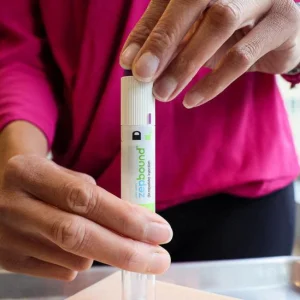
When Ruth Gonzalez first sought a prescription for the popular weight-loss medication Zepbound, the 56-year-old self-employed worker faced a harsh reality: her health insurance wouldn't cover the roughly $350 monthly price tag. To afford the out-of-pocket expense, she ruthlessly trimmed her budget, dropping streaming services, downgrading her phone plan, and cutting out daily coffee runs.
The sacrifice paid off. Within six weeks, her dangerously high blood pressure stabilized. She has since shed over 40 pounds, a milestone she hopes will mitigate other health concerns like sleep apnea and early-stage fatty liver disease. Now, thanks to a fierce market rivalry, Gonzalez's financial burden is finally lightening.
In a bid to capture a massive market in a country where four out of ten adults struggle with obesity, pharmaceutical giants are engaging in a brutal price war. Late last year, Eli Lilly slashed the price of Zepbound vials, enabling Gonzalez to upgrade to a stronger dose. She is now anticipating an even cheaper daily pill the company plans to release soon.
Traditionally, drug pricing in the United States is a convoluted dance negotiated behind closed doors by manufacturers, insurance providers, and pharmacy benefit managers (PBMs). However, because many insurers outright refuse to cover GLP-1 medications strictly for weight loss, pharmaceutical companies have been forced to pivot. They are now competing for cash-paying patients much like traditional retailers.
This direct-to-consumer revolution has birthed dedicated sales portals, distribution partnerships with retail titans like Walmart and Costco, and aggressive litigation against producers of off-label generic versions. Most notably, it has triggered dramatic price drops.
A starting dose of Novo Nordisk's Wegovy, which debuted in 2021 with a staggering list price of over $1,600 a month, is now available to self-paying patients for just $149. Eli Lilly’s Zepbound vials now begin at $299 monthly, a steep decline from their initial $1,000-plus launch price in 2023. Analysts project these prices will continue to sink as patents expire and cheaper alternatives emerge.
This retail-style approach is shedding light on the notoriously murky world of U.S. drug pricing. "What it does is highlight some of the lack of transparency," explains Alison Sexton Ward, an economist and senior scholar at USC.
The push for direct sales has even garnered high-level political backing. In February, President Trump unveiled "TrumpRx," a federal website designed to funnel consumers straight to drug manufacturers for specific medications, completely bypassing PBMs—the middlemen pharmaceutical companies have long blamed for inflated costs.
Yet, experts caution against viewing the free market as a cure-all. While competition against legal compounding pharmacies has driven down GLP-1 prices, it’s unclear if this model would work for specialized drugs with smaller consumer bases. Michael Murphy, a clinical pharmacy professor at Ohio State University, hopes this trend boosts consumer awareness about medication costs but stresses that "fundamental solutions" are still required to fix the systemic pricing crisis.
Furthermore, even at a steep discount, these drugs remain a luxury many cannot afford. Shekinah Samayah-Thomas, 62, has been rationing her Wegovy supply since January after California's Medicaid program axed coverage for weight loss. Having maintained a significant weight loss following bariatric surgery in 2017, she fears regression. Now unemployed along with her husband, she can no longer swing even the $25 monthly co-pay she previously managed with insurance and manufacturer coupons.
For patient advocates, direct sales are merely a band-aid. Tracy Zvenyach, vice president for advocacy and research at the Obesity Action Coalition, argues that essential healthcare shouldn't be relegated to a cash-only retail skirmish. Instead, she points to a recently announced Trump administration initiative to trial Medicare coverage for obesity drugs beginning this July, a move advocates hope will strong-arm private insurers into following suit.
"Direct-to-consumer options today are serving as a short-term solution," Zvenyach says. "But I do not want them to deter from the overall goals of general, standard coverage of treatments for obesity."