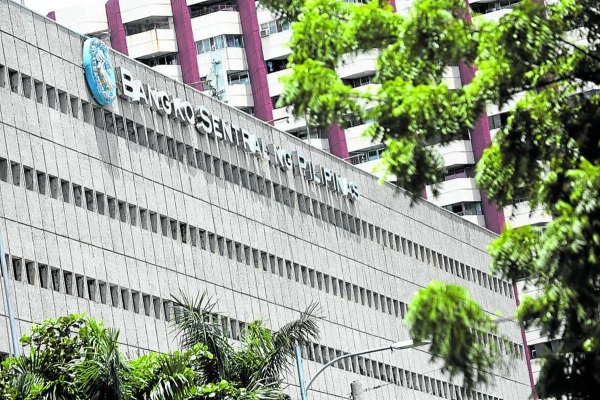
The proportion of nonperforming loans (NPLs) in the Philippine banking sector reached its highest level in six months this February, according to the latest data from the Bangko Sentral ng Pilipinas (BSP).
NPLs, defined as loans overdue by at least 90 days, accounted for 3.33% of the total lending portfolio, marking the highest ratio since August 2025. In monetary terms, this translates to approximately ₱553.7 billion of the sector's ₱16.6-trillion loan book being classified as soured debt.
Analysts point to persistently high borrowing costs as a primary driver, particularly impacting retail borrowers' ability to service their debts. The stock of bad loans showed a nearly 8% increase compared to February of the previous year and was 5.3% higher than the level recorded in December 2025.
"What we're seeing is less a credit problem and more a normalization story," said Jonathan Ravelas, senior adviser at Reyes Tacandong & Co. He attributed the rise to the lagged effect of last year's elevated interest rates, typical early-year cash-flow pressures, and overall faster loan growth.
Concurrently, banks reduced their financial buffers against potential defaults. The allowance for credit losses dipped to ₱519.5 billion, resulting in a coverage ratio of 93.83%—the lowest since November 2024. Despite this reduction, analysts suggest the move reflects confidence in existing safeguards rather than a lapse in risk management.
"With capital and profitability still strong, banks may be relying more on existing buffers rather than materially increasing provisions each month—suggesting normalization rather than weakening risk discipline," explained Ruben Carlo Asuncion, chief economist at UnionBank of the Philippines.
Ravelas characterized the situation as a "mild bump, not a red flag," but emphasized that it underscores the need for vigilant credit monitoring should interest rates remain elevated.
Looking forward, experts warn of potential headwinds. John Paolo Rivera, a senior research fellow at the Philippine Institute for Development Studies, noted that geopolitical tensions, particularly the conflict in the Middle East, could indirectly pressure borrowers.
"The Middle East conflict can raise inflation and interest rate pressures through higher oil prices, which could further squeeze borrower capacity and lead to a gradual increase in delinquencies," Rivera stated.
Despite these concerns, the consensus among analysts is that the Philippine banking system remains robust and well-capitalized to absorb any gradual deterioration in loan quality.