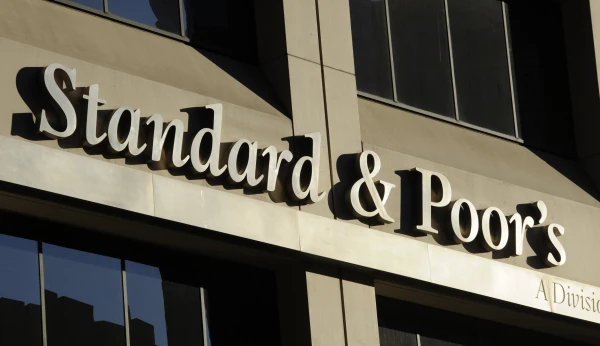
MANILA — The Philippines' pursuit of a coveted 'A' credit rating has hit a significant roadblock, as S&P Global Ratings revised its sovereign outlook from 'positive' to 'stable' on Thursday, citing heightened risks from the ongoing Middle East conflict and subsequent oil price shocks.
This adjustment dims President Ferdinand Marcos Jr.'s ambition to secure the nation's first-ever 'A' grade from a major credit assessor in the near term. S&P affirmed the country's current 'BBB+' investment-grade rating, but the shift to a 'stable' outlook indicates this rating is unlikely to change over the next one to two years.
"We revised the rating outlook on the Philippines to stable from positive because the war in the Middle East has increased risks for the trajectory of the country’s external and fiscal metrics," S&P stated in its assessment.
The agency further noted that external and fiscal support is not expected to improve sufficiently in the coming years to meaningfully bolster the sovereign ratings. This geopolitical turmoil arrives as the Philippine government continues to navigate the economic fallout from a major domestic corruption scandal, compounding the challenges to its fiscal trajectory.
The 'positive' outlook, now rescinded, had previously fueled optimism that an upgrade to the 'A' category—a benchmark signaling lower borrowing costs and stronger investor confidence—was within reach. The latest move underscores how global instability can swiftly alter a nation's economic prospects.