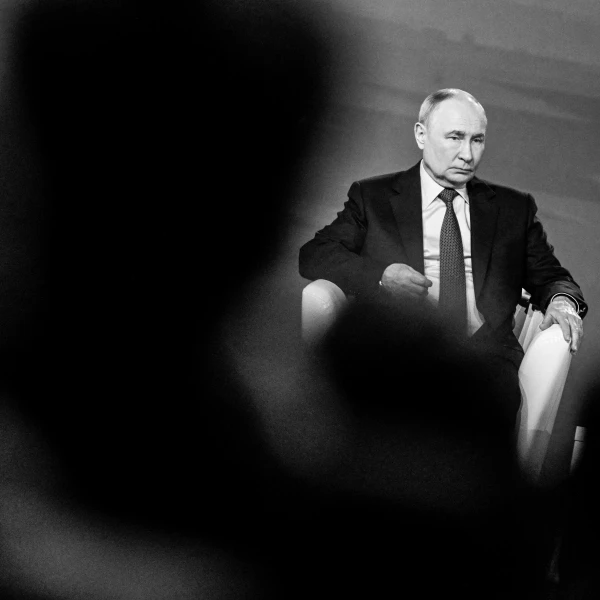
Recent geopolitical shifts have created a complex situation for Russian President Vladimir Putin, as his country's crucial partnership with Iran faces unprecedented strain. While Moscow has benefited from diverted Western attention and economic advantages during recent conflicts, the potential collapse of its Iranian ally presents significant strategic risks.
Russia has gained tangible advantages from the United States' entanglement in Middle Eastern conflicts. Oil prices have surged, temporary sanctions waivers have been granted, and Western focus has fractured across multiple crises. Russian officials have acknowledged that peace negotiations regarding Ukraine have stalled as American attention shifts elsewhere.
Iran's resilience during recent hostilities has come at enormous cost. Even with a fragile ceasefire now in place, the country emerges economically weakened and increasingly isolated. Should hostilities resume, the combined pressures of military strikes, international sanctions, and internal unrest could push Iran toward potential fragmentation.
For Moscow, these developments create a strategic dilemma. Iran represents a unique partner that has historically imposed costs on Western adversaries without requiring direct Russian involvement. This relationship has evolved significantly over the past decade, moving from cautious cooperation to a formalized partnership.
The foundation of this alliance rests on shared grievances against what both nations perceive as a U.S.-dominated international order. This common perspective has fostered collaboration across multiple domains, including intelligence sharing, financial networks, and sophisticated sanctions-evasion mechanisms.
Military cooperation has proven particularly valuable. Iran has adapted battlefield lessons from Ukraine—including drone warfare tactics and electronic countermeasures—into its own military operations. Meanwhile, Russia has studied Iran's expertise in sustaining irregular warfare through proxy forces while maintaining plausible deniability.
A formal partnership agreement signed in early 2025 codified much of this cooperation, though notably lacking any mutual defense commitments. The arrangement's core purpose remains ensuring each nation can sustain its own conflicts without direct intervention from the other.
As Iran's stability becomes increasingly uncertain, Putin faces difficult calculations about preserving a relationship that has become nearly indispensable to Russia's geopolitical strategy while managing the risks of a partner's potential collapse.