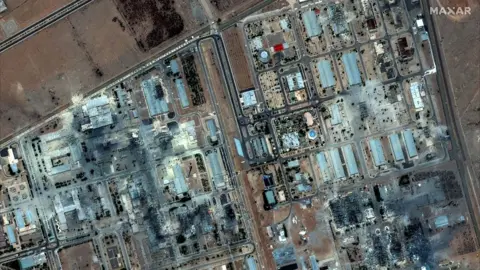
Behind closed doors, the UK government is immersed in deep contingency planning. Officials are navigating a sea of "what if" scenarios as the economic fallout from the conflict in Iran looms large, with the ultimate duration of the war remaining anyone's guess.
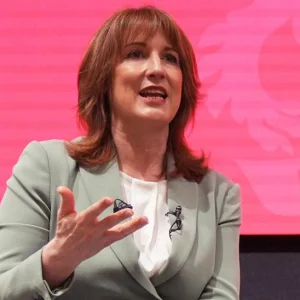
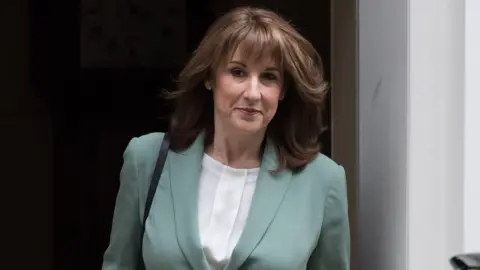
For Chancellor Rachel Reeves, the crisis demands a swift economic response. Later today, she will address the House of Commons to outline the domestic ramifications of the escalating situation in the Middle East.
Sources suggest Reeves will break her address into three main pillars. She will open with a brief analysis of how the overseas conflict is currently impacting the UK economy.
The Chancellor will then transition to energy security, doubling down on promises to expedite the construction of new nuclear power facilities. Legislation to support this nuclear push is anticipated in the upcoming King's Speech this May.
Additionally, Reeves is preparing to introduce a "new anti-profiteering framework." This policy is expected to grant the Competition and Markets Authority (CMA) temporary, specialized authority to penalize corporations that exploit market volatility to overcharge consumers.
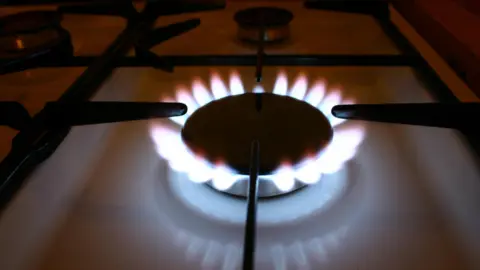
The most highly anticipated portion of her speech will address the framework for future financial support for households grappling with surging energy bills. Because the current gas and electricity price cap remains active until the end of June, the government has a brief grace period to determine what aid is both practical and fiscally realistic.
Reeves is expected to signal a shift away from universal handouts. Unlike the blanket assistance provided under former Prime Minister Liz Truss following the outbreak of the Ukraine war, future support will likely be strictly targeted. The sheer cost of those previous interventions—coupled with massive pandemic-era spending—has left the UK spending roughly one in every ten pounds merely to cover interest on the national debt.
Looking ahead, the administration's long-term strategy involves heavily investing in domestic power generation. According to one insider, the government is fully committed to aggressively expanding renewables and nuclear energy.
Despite calls from Conservative, Reform UK, and some Labour MPs to authorize fresh oil and gas drilling in the North Sea, Energy Secretary Ed Miliband remains firmly opposed. Speaking to Labour backbenchers recently, Miliband dismissed the idea that new domestic drilling would lower consumer bills, noting that wholesale gas prices are ultimately dictated by global markets.
Instead, Miliband is turning his attention to micro-renewables, specifically plug-in solar panels. Expected to hit UK supermarket shelves later this year for a few hundred pounds, these easy-to-install units will allow residents to generate power directly from their gardens or balconies. Officials are looking to emulate the success of similar localized renewable rollouts in Germany and Spain, which have successfully insulated those populations from volatile international gas prices.
As the Middle East conflict continues, ministers are forced to walk a precarious tightrope: actively preparing the country for potential economic shocks without inciting public panic.