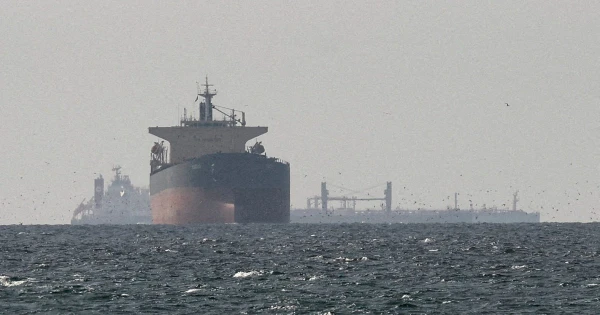
Despite recent regulatory relief measures, shipping expenses have climbed sharply over the past month, driven by escalating geopolitical tensions in the Middle East.
Industry analysts report that maritime transport costs have jumped by more than 10 percent in recent weeks, a development that appears directly linked to the ongoing conflict between the United States, Israel, and Iran. This increase comes even as the Trump administration suspended certain provisions of the Jones Act—a century-old law that restricts domestic shipping to U.S.-built, -owned, and -crewed vessels—in an effort to ease transportation constraints and lower costs.
"The geopolitical premium on shipping is overwhelming any regulatory relief," noted one logistics expert. "When major trade routes become conflict zones, risk assessments change overnight, and those costs get passed through the entire supply chain."
The price surge affects multiple shipping lanes, particularly those traversing the Persian Gulf and surrounding waterways, where insurance premiums and security surcharges have multiplied. Energy markets are feeling the impact most acutely, with higher transportation costs contributing to rising prices for crude oil, liquefied natural gas, and refined petroleum products.
Market observers suggest that the conflict has created a dual pressure on shipping: increased demand for alternative, longer routes to avoid conflict zones, coupled with heightened insurance and security requirements for vessels operating in or near the region. While the Jones Act suspension was intended to provide flexibility by allowing foreign-flagged ships to transport cargo between U.S. ports in certain circumstances, those benefits have been largely offset by the broader market disruption.
This development underscores how geopolitical instability can rapidly translate into economic consequences, affecting everything from consumer goods to industrial inputs. With no immediate resolution to the Middle East tensions in sight, analysts warn that elevated shipping costs may persist, continuing to put upward pressure on energy prices and broader inflation metrics.