A landmark legal victory in Los Angeles has delivered a heavy blow to Big Tech, with a jury finding Meta and Google liable for intentionally designing addictive platforms that inflicted severe mental health damage on a young woman.
The unprecedented ruling awarded the 20-year-old plaintiff, identified only as Kaley, a total of $6 million. Jurors concluded that the corporations acted with "malice, oppression, or fraud" in operating their platforms, ordering $3 million in compensatory damages and another $3 million in punitive damages. Meta, the parent company of Instagram and Facebook, is responsible for 70% of the payout, while Google, which owns YouTube, must cover the remaining 30%.
Legal experts suggest this verdict could serve as a bellwether for hundreds of similar cases currently winding their way through US courts. The decision arrived just one day after a separate New Mexico jury found Meta liable for exposing children to sexually explicit material and child predators.
Both tech giants have vehemently rejected the verdict and announced plans to appeal.
"Teen mental health is profoundly complex and cannot be linked to a single app," Meta said in a statement. "We will continue to defend ourselves vigorously as every case is different, and we remain confident in our record of protecting teens online."
Google similarly attempted to distance itself from the controversy, with a spokesperson arguing that the case fundamentally "misunderstands YouTube, which is a responsibly built streaming platform, not a social media site."
During the harrowing five-week trial, Kaley's legal team characterized Meta and YouTube as deliberately engineered "addiction machines." Taking the stand, Kaley testified that she began using YouTube at age six and Instagram at age nine, bypassing virtually nonexistent age-verification barriers. She described how her immersion in the apps led to profound social withdrawal, severe anxiety, depression, and body dysmorphia—the latter fueled by digital filters that warped her self-image from childhood. (Snapchat and TikTok were initially named in the lawsuit but reached undisclosed settlements with the plaintiff prior to trial.)
Meta CEO Mark Zuckerberg had previously appeared before the jury, defending the company's official policy banning children under 13. When confronted with internal documents proving Meta executives knew underage children were active on the platforms, Zuckerberg insisted the company had arrived at the "right place over time," though he admitted wishing for faster progress in identifying underage users.
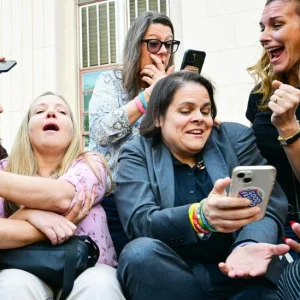
The verdict sparked immediate celebration among parents and child safety advocates gathered outside the courthouse. Ellen Roome, a mother currently suing TikTok over the tragic death of her son, called the jury's decision a pivotal "enough was enough" moment for the industry.
The political fallout has been equally swift. UK Prime Minister Keir Starmer pointed to his government's ongoing consultation regarding a potential social media ban for under-16s, stating that the current digital landscape is unacceptable and promising impending regulatory changes. Meanwhile, the Duke and Duchess of Sussex praised the ruling as a necessary "reckoning," demanding that children's safety finally eclipse corporate profit.
As countries like Australia implement strict age restrictions and the UK tests pilot programs to limit teen access, analysts say the tech industry is facing a global crisis regarding youth engagement.
"Negative sentiment toward social media has been building for years, and now it's finally boiled over," noted Mike Proulx, a research director at Forrester. The consecutive court losses, he added, signify a critical "breaking point" between Silicon Valley and the public.