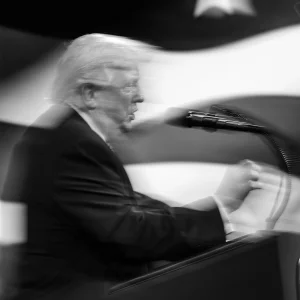
The traditional pillars of American morality are undergoing a seismic shift. Across the nation, sociologists and cultural observers are noting a rapid departure from the shared ethical frameworks that once defined the national identity.
In recent decades, the decline of institutional religion and the erosion of trust in long-standing civic institutions have left a vacuum in the country's moral landscape. Where communities once relied on a collective understanding of right and wrong—heavily influenced by faith-based teachings and civic duty—a new era of hyper-individualism has taken root.
"We are not necessarily becoming an immoral society, but rather an unmoored one," notes a prominent cultural historian observing the trend. "The shared narratives that previously bound diverse communities together are fracturing."
This fragmentation is highly visible in the modern political arena. Increasingly, political affiliation has replaced traditional moral philosophy as the primary driver of personal values. Citizens are retreating into ideological silos, where the definition of virtue is dictated by partisan loyalty rather than universal ethical standards. As a result, public discourse has shifted from debates over the common good to zero-sum battles for cultural dominance.
Furthermore, the digital age has accelerated this transition. The rapid consumption of information and the algorithmic reward systems of social media often incentivize outrage over empathy, prioritizing performative virtue over substantive moral action.
Whether this cultural transformation represents a total abandonment of morality or merely an awkward evolution into a new secular ethic remains to be seen. However, one thing is certain: the moral compass that guided the United States through the 20th century has profoundly changed its true north, leaving a nation to grapple with what it means to be good in an increasingly polarized world.