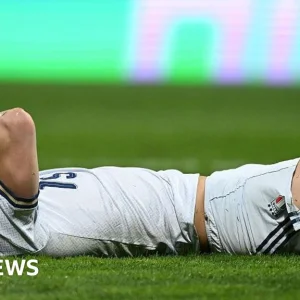
On the streets of Rome, the morning papers scream of "disaster" and "scandal." For an unprecedented third consecutive time, Italy—a nation historically synonymous with football greatness—will not be heading to the World Cup.
The fatal blow came on Tuesday night in Zenica. Reduced to ten men early on following Alessandro Bastoni's red card, the Azzurri scrapped their way to a penalty shootout against Bosnia and Herzegovina, bolstered by a goal from Moise Kean. However, a dismal 4-1 shootout defeat officially sealed their fate.
A tearful Rino Gattuso, the 2006 World Cup-winning midfielder who took over as manager just last June, was left reeling.
"We don't deserve this, it's not fair. I'm sorry I couldn't make it happen," Gattuso said before retreating to the locker room.
While the legendary player expressed pride in his squad's gritty performance, he bluntly acknowledged their offensive woes: "When you have chances and don't take them, football punishes you."
The public reaction has been a turbulent mix of profound sorrow and bitter anger. At a newsstand in central Rome, 65-year-old Tommaso Silvestri summed up the national mood, lamenting that "the golden days of Italian football are well and truly gone." Nearby, 71-year-old Giovanni Colli called for sweeping resignations across the board, urging the sporting federation to finally give youth a chance.
The outrage has transcended the average fan, permeating Italy's political and cultural spheres. Ignazio La Russa, president of the Senate, voiced his frustration on social media, admitting that despite the nation's desperate hopes, the public "feared" and ultimately "knew" this failure was imminent.
Anti-mafia author Roberto Saviano offered a far more scathing critique of the sport's systemic infrastructure. Taking to Instagram, Saviano accused Italian clubs of deep-rooted corruption, describing them as money-laundering vehicles that completely neglect homegrown and second-generation talent in favor of effortlessly importing foreign players.
Aside from their shock Euro 2021 triumph over England, the national team has been caught in a steady international downward spiral since hoisting the World Cup trophy in 2006. According to La Gazzetta dello Sport journalist Elisabetta Esposito, this persistent failure threatens the future cultural standing of the sport in the country. With tribal club loyalty increasingly overshadowing national pride, she warned that a third consecutive World Cup absence could permanently alienate Italy's younger generation from the beloved Azzurri.