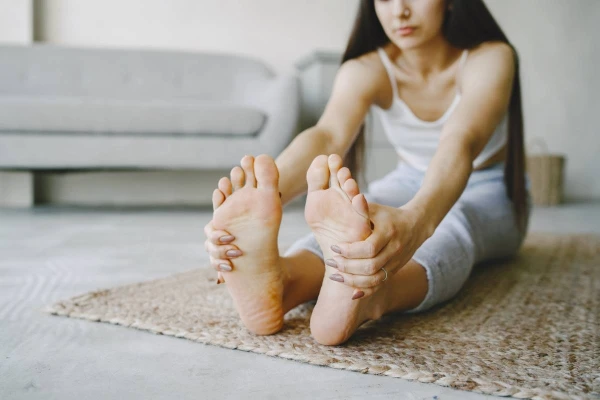
Often overlooked and frequently mistreated, the big toe plays a surprisingly critical role in our daily lives. This small but mighty appendage is essential for maintaining balance, supporting our weight, and enabling smooth movement. When the big toe suffers, it can trigger a cascade of problems—from compromised stability and difficulty walking to improper weight distribution that may lead to pain in the feet, knees, and hips.
"An ailing big toe can result in loss of balance and stability, difficulty walking or running, and improper weight distribution."
You might wonder how such a modest body part can wield such significant influence. The answer lies in its foundational role in our biomechanics.
Ancient Wisdom and Modern Concerns
Traditional healing practices have long recognized the big toe's importance. In acupuncture, a cornerstone of traditional Chinese medicine for over three millennia, the big toe is linked to the liver and spleen meridians. Practitioners believe that symptoms like tenderness, redness, or pain in this area may signal energy imbalances related to the liver, emotional distress, or issues affecting the head and eyes. Similarly, reflexology associates the big toe with the brain and nervous system.
While these perspectives offer holistic insights, it's crucial to address potential underlying medical conditions. Common culprits include arthritis, gout, bunions, toe deformities, ill-fitting footwear, overuse, or direct injury. If you experience persistent numbness, tingling, pain, or changes in nail color or texture, consulting a healthcare professional is essential.
Practical Steps for Toe Health
While seeking expert advice, you can incorporate simple practices to support your feet. Gentle exercises like toe curls—curling your toes under and then releasing them—followed by spreading them wide can enhance flexibility. Heel raises, performed barefoot by lifting onto your toes and slowly lowering back down, strengthen supporting muscles. Ankle circles, done while seated or lying down, promote mobility. For a natural treat, walking barefoot on grass or along a shoreline can be both soothing and stimulating.
Relaxation techniques also play a part. A warm foot soak with Epsom salt, sea salt, or magnesium salt for 20 minutes can ease tension. After drying your feet, a light massage with virgin coconut oil, working toward the toes with firm but gentle pressure, boosts circulation.
Smart Footwear Choices
Your shoes are a key factor in foot health. Prioritize comfort over fashion—if your toes feel cramped, consider it a warning sign. Look for footwear with proper arch support, breathable materials like leather or mesh, and a modest heel height of around one inch for daily wear. Rotating shoes helps prevent excessive wear, and avoiding high heels whenever possible can reduce strain. If needed, consult a chiropractor or podiatrist about orthotics.
Additional tips include powdering your feet after showering or before wearing athletic shoes to keep them dry and prevent fungal growth. Incorporating balance-challenging poses from yoga or tai chi, strengthening calf muscles through walking or weight training, and stretching after workouts can further support overall foot health.
By giving your big toe the care it deserves, you're investing in a foundation of stability and mobility for years to come.