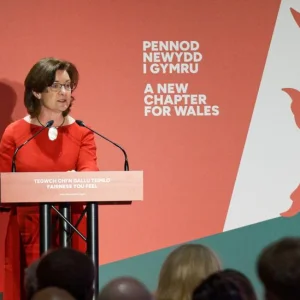
Facing a tough battle ahead of the May 7 Senedd elections, Welsh Labour has unveiled an ambitious manifesto headlined by a promise to guarantee primary care access within 48 hours for urgent medical needs.
First Minister Eluned Morgan launched the party's platform in Swansea on Monday, pitching Labour as the only serious choice to govern the country. Seeking to woo voters who will elect 96 members to the expanded Welsh Parliament, Morgan's blueprint features a £2 cap on adult bus fares, a £4 billion investment in new hospitals, expanded childcare, and a steadfast commitment not to increase Welsh income tax rates.
However, the respected Institute for Fiscal Studies (IFS) immediately poured cold water on the financial reality of the promises, warning that increasing spending while freezing taxes would "almost certainly require cuts."

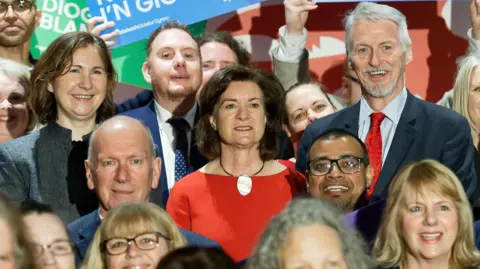
The policy blitz arrives as opinion polls indicate Labour has slipped into third place, trailing both Plaid Cymru and Reform UK. Acknowledging growing public frustration with the country's health service, Morgan pitched a "new deal for the NHS."
"Getting a GP appointment though can feel like a battle for some, and for many families progress just feels too slow," Morgan stated.
Under the newly proposed framework, patients with pressing conditions would be guaranteed access to a primary healthcare professional within two days. The manifesto notes that achieving this milestone will demand a strategic shift of resources from centralized hospitals into local communities. Rather than relying solely on general practitioners, the 48-hour guarantee would utilize a broader network of professionals, including physiotherapists, ophthalmologists, and mental health specialists.
When pressed on how her target compares to the NHS England mandate requiring same-day GP appointments, Morgan dismissed the cross-border comparison, challenging the UK government to "deliver that" while asserting her plan is "realistic for Wales."
Additionally, Labour renewed its pledge to meet a 26-week referral-to-treatment waiting time target—a benchmark the Welsh government has missed since late 2011. To bolster the battered healthcare system, the party has earmarked £4 billion over the next decade for hospital infrastructure and a comprehensive workforce recruitment strategy.
Addressing party activists, Morgan cautioned against treating the upcoming election as a referendum on Labour's unbroken quarter-century in power, warning that protest does not equal effective governance.
"You will hear people say this election is about change. But change is not a plan, and protest is not leadership," she argued. "This election is a choice about who is serious enough to lead Wales forward."
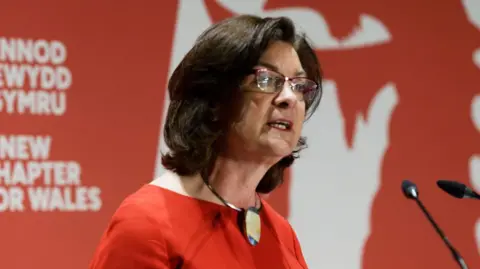
A central pillar of the manifesto is the assurance that Labour will not raise the Welsh rates of income tax during the next parliamentary term. Despite holding the authority to adjust income tax bands by up to 10 percentage points—a power projected to generate £3.6 billion by 2025-26—Morgan argued that taxpayers have faced enough recent hardship.
To further address the cost of living, the manifesto outlines sweeping social investments. Beyond capping adult bus fares at £2, the party promises to maintain £1 fares for youth and free transit for residents over 60. Families are set to benefit from the creation of 20,000 newly funded childcare spaces available from nine months of age, while free school meals will be extended to all secondary students living in households that receive Universal Credit.
Housing and infrastructure also feature prominently, with a target to construct 100,000 new homes over the next decade, the rollout of over 100 new bus routes, and a transition toward a clean, homegrown energy sector. Furthermore, the party intends to establish a citizen's assembly to explore funding models for a devolved, free-at-the-point-of-need national care service.
Despite the optimistic vision, fiscal watchdogs remain highly skeptical. David Phillips of the IFS noted that taking Labour's primary revenue-raising lever off the table severely restricts the government's financial flexibility. With UK government funding increases slowing down, Phillips cautioned that Labour's expansive spending agenda will inevitably force difficult financial tradeoffs in other public sectors.