US President Donald Trump has issued a stark warning to Iran, threatening to dismantle the country "in one night" if Tehran fails to meet his demands before a critical deadline. The ultimatum centers on reopening the Strait of Hormuz, a vital global energy corridor, by 20:00 Washington DC time on Tuesday (00:00 GMT Wednesday).
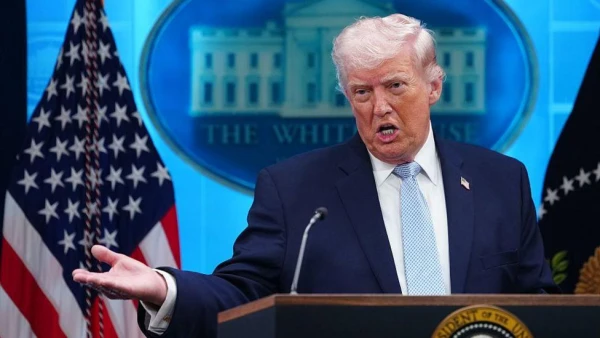
Speaking from the White House alongside top military officials, Trump emphasized the severity of the situation. "The entire country can be taken out in one night – and that night might be tomorrow night," he declared. He warned that Iran would be sent back to the "Stone Ages," losing bridges and power plants if his conditions aren't met.
Despite the aggressive rhetoric, Trump expressed cautious optimism about ongoing negotiations, suggesting that "reasonable" Iranian leaders were engaging in "good faith." However, Iran has publicly rejected a temporary ceasefire, demanding a permanent end to hostilities and sanctions relief instead.
A regional official familiar with the discussions, who requested anonymity due to the sensitivity of the talks, highlighted the challenges. "To convey messages to Iran, getting a response in a reasonable time is not possible," the official explained, citing communication blackouts that delay responses by about a day. Pakistan, Turkey, and Egypt have been involved in mediation efforts.
Trump also criticized key US allies, including the UK and NATO, for their lack of support during the conflict. "That's a mark on NATO that will never disappear," he stated, adding that the US does not "need" the UK. His comments came days after US forces successfully rescued two crew members from a downed F-15 fighter jet in southern Iran, an operation he praised as "heroic."
Legal experts have raised alarms about the potential consequences of Trump's threats. A former Obama-era National Security Council legal advisor warned that sustained attacks on civilian infrastructure could constitute war crimes, stating, "Obliterating all power plants, threatening coercive actions against the civilian population to try to bring a government to the negotiating table, those kinds of things are all flatly illegal."
Trump dismissed such concerns, insisting that Iran's population would be "willing to suffer to have freedom," though he clarified that toppling the government was not his goal. According to the US military's Central Command, American forces have conducted over 13,000 strikes across Iran since the war began.
As the deadline approaches, the international community watches closely, with oil prices fluctuating in response to the escalating tensions. Trump remained vague about his administration's next steps, claiming he has "the best plan" but refusing to disclose details to the media.