President Donald Trump has issued a stark ultimatum to Iran, setting a Tuesday night deadline for Tehran to agree to a deal that would ensure "free traffic of oil" through the strategically vital Strait of Hormuz. The president has threatened devastating military strikes if his demands are not met, warning that such action would decimate Iran's infrastructure within hours.
"Very little is off-limits," Trump declared on Monday, emphasizing the severity of the impending operation.
Despite the high-stakes pressure, there are few signs that Iran is prepared to capitulate. Iranian officials have rejected temporary ceasefire proposals and presented their own set of demands, which a U.S. official characterized as "maximalist." This impasse places Trump in a precarious position: follow through on his threats or risk undermining his credibility by extending the deadline for the fourth time in three weeks.
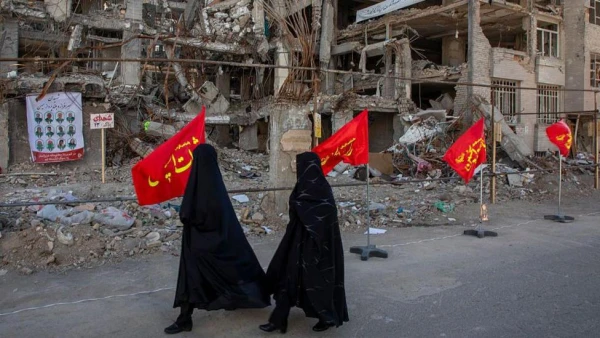
Trump's rhetoric has been punctuated by expletives and dire warnings, yet he has also expressed reluctance to unleash the full force of America's military might. During a press conference, he acknowledged that destroying Iran's infrastructure would create a humanitarian crisis and necessitate a massive rebuilding effort—one that could take a century to complete.
"Do I want to destroy their infrastructure? No," Trump said. "Right now, if we leave today, it will take them 20 years to rebuild their country."
The president's mixed messaging highlights the complexities of the conflict. While he boasts of U.S. military precision—citing recent successes like the rescue of downed airmen and past operations—he also recognizes the limits of American power. Iran's ability to disrupt oil shipments through the Strait of Hormuz using drones, missiles, and mines remains a potent deterrent, one that Trump admitted could be executed by "one terrorist."
Behind the scenes, Trump maintains hope for a last-minute breakthrough, suggesting that negotiations may be more advanced than publicly acknowledged. However, his opacity about the details of any potential deal leaves observers questioning whether his stance is a calculated bluff or genuine optimism.
"They have till tomorrow," Trump stated. "We'll see what happens. I believe they're negotiating in good faith. I guess we'll find out."
As the deadline approaches, the world watches to see whether diplomacy will prevail or if the already volatile region will be plunged into deeper conflict.