Former President Donald Trump has asserted that the United States provided weapons to Iranian dissidents through Kurdish intermediaries, a claim that Kurdish organizations have swiftly denied. This statement lends weight to Iran's longstanding accusation that Western powers orchestrated the January protests to destabilize the country.
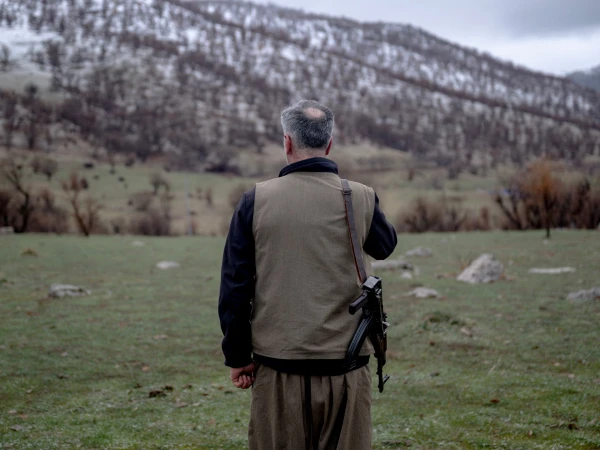
In a recent public address, Trump detailed what he described as covert support for anti-government factions within Iran. "We armed them via the Kurds," he stated, referring to Kurdish groups operating near Iran's borders. This admission appears to corroborate Tehran's narrative that the widespread demonstrations earlier this year were not purely domestic but part of a broader foreign-led campaign.
However, multiple Kurdish political and military entities have rejected Trump's allegations. Representatives from these groups emphasized their commitment to regional stability and denied any involvement in arming Iranian opposition forces. "We categorically deny these claims," said one spokesperson. "Our focus is on the rights and security of our own people, not on interfering in Iran's internal affairs."
The January protests, which erupted over economic grievances and political repression, resulted in significant casualties and a harsh crackdown by Iranian authorities. Iran's government has consistently blamed the United States and its allies for fomenting the unrest, citing historical tensions and ongoing geopolitical rivalries.
Analysts suggest that Trump's remarks could further complicate already strained relations between Washington and Tehran, while also impacting the delicate dynamics involving Kurdish groups in the Middle East. The denials from Kurdish organizations highlight the complexities of proxy conflicts and the challenges of verifying such sensitive claims in a region fraught with misinformation and strategic posturing.