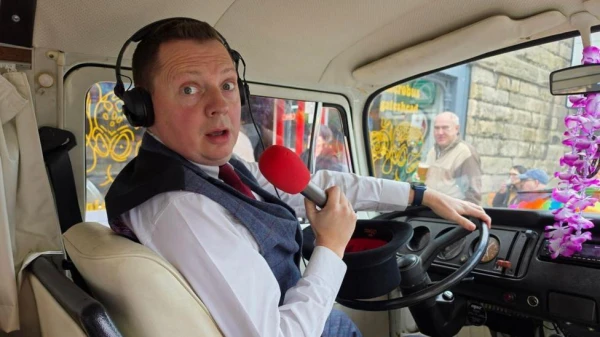
As the UK prepares for its most significant electoral test since the 2024 general election, a journey across the nation reveals a political landscape more fragmented and unpredictable than ever. With elections scheduled next month for Scotland, Wales, and numerous English local councils, voters are breaking traditional loyalties and creating a complex mosaic of political preferences.
The Seven-Party Puzzle
While political analysts often speak of a new era with seven major parties—Labour, Conservative, Liberal Democrats, Reform UK, Green, Plaid Cymru, and SNP—the reality on the ground is far more nuanced. Each region tells a different story: in Westminster, Conservatives and Labour engage in traditional two-party combat; in East London, Greens challenge Labour's dominance; in Cardiff, Plaid Cymru and Reform UK compete for Welsh Assembly supremacy; and in Birmingham, Labour's control of Europe's largest council appears increasingly precarious.
"The final picture will be messy, and take a while to become clear," notes one political observer, referring to the staggered declaration of results after May 7th.
Voter Complexity Defies Simple Categories
Voters are rejecting easy political categorization. In Edinburgh, a lifelong SNP supporter now plans to split votes between the SNP and Reform UK—parties at opposite ends of the political spectrum. In Wales, some pro-union voters consider supporting Plaid Cymru, despite its independence platform. Across the nation, local issues dominate conversations, from Birmingham's bin strikes and financial troubles to Wales' cost-of-living concerns and Scotland's immigration debates.
Coalition Calculus and Power Dynamics
The aftermath of polling day promises to be particularly intriguing. Reform UK appears poised for strong performances but may find itself excluded from power as other parties refuse coalition partnerships. In Wales, where Reform could emerge as the largest party without a majority, scenarios emerge of left-leaning coalitions forming to govern. Similar dynamics could play out in England's largest councils, creating unprecedented governing arrangements.
Labour's Shifting Base
Traditional Labour voters are scattering across the political spectrum. While some remain loyal, others are defecting to parties as diverse as the Greens and Reform UK.
"After 27 years of Labour running or ruining our country, we need a dramatic change," says Paul, a Cardiff store manager who switched from Labour to Reform UK.
These shifting allegiances reflect deeper political realignments, with voters reconsidering their core beliefs and party identities.
Leadership Challenges Ahead
Prime Minister Keir Starmer faces potential turbulence regardless of election outcomes. While some analysts suggest poor results are already "priced in," the emotional impact of losing traditional Labour strongholds could prove devastating to party morale and leadership stability.
Engaged Electorate
One clear trend emerges from conversations across the UK: voters are more engaged than in recent memory. The fragmentation of traditional party loyalties has forced citizens to think critically about their political choices, potentially driving higher turnout as people believe their votes genuinely matter in this unpredictable electoral environment.