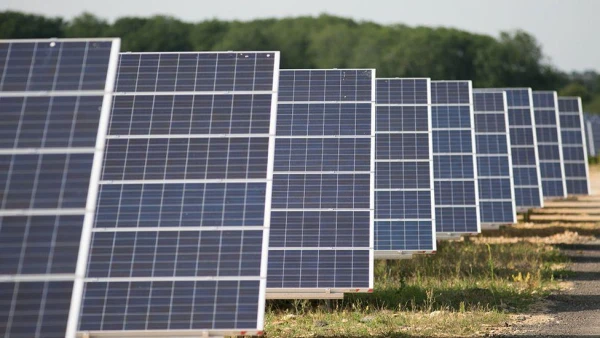
The UK government has approved the country's largest solar power project, a massive development in Lincolnshire that will generate enough electricity for 180,000 homes. The Springwell Solar Farm, to be built between Lincoln and Sleaford near Navenby, received the green light following a planning inquiry despite significant local opposition.
Energy Minister Michael Shanks emphasized the strategic importance of the project, stating: "We are driving further and faster for clean homegrown power that we control to protect the British people and bring down bills for good. Solar is one of the cheapest forms of power available and is how we get off the rollercoaster of international fossil fuel markets and secure our own energy independence."
The development will cover an area equivalent to 1,700 football pitches and include a battery storage facility. Developer EDF Power Solutions UK said the project would begin producing electricity by 2029 and would incorporate new footpaths, hedgerows, and a community fund for local projects.
Matthew Boulton from EDF welcomed the approval, calling it "an important step forward for Springwell Solar Farm" and promising continued collaboration with local communities.
However, the decision has sparked strong opposition from residents and local officials. Marc Williams from the Springwell Solar Action Group expressed outrage, saying: "I'm fuming. It shows a complete lack of democratic accountability in this country. The Energy Secretary has taken no account of local views and will basically destroy approximately 4,000 acres just in this area alone."
Local Conservative councillor Rob Kendrick, who spoke against the project at the inquiry, described the decision as "sad news for Lincolnshire and its residents," warning that the development would permanently alter the landscape and potentially impact the county's £2 billion tourism industry.
Opponents have raised concerns about the loss of valuable farmland, visual impact on the countryside, and safety issues related to the lithium-ion battery storage component.
The approval represents a significant milestone in the UK's renewable energy transition, balancing national energy security goals against local community interests in one of the country's most ambitious solar projects to date.