When tackling the life of an American icon, biographers often find themselves navigating a labyrinth of carefully curated myths. For decades, the legacy of legendary labor leader Cesar Chavez was fiercely protected by loyalists, leaving his deeper flaws and controversial decisions securely locked away from public scrutiny.
The mechanics of hiding a historical figure's secrets usually involve a potent combination of gatekeeping and institutional self-preservation. Those closest to Chavez—allies who fought alongside him in the bitter trenches of the farm workers' movement—felt a profound, protective duty to safeguard his image. By strictly controlling access to archival materials, personal correspondence, and firsthand accounts, the architects of his legacy ensured that only a sanitized, universally heroic version of the labor leader reached the history books.
However, relentless biographical research inevitably cracks even the most formidable facades. Uncovering the unvarnished truth requires piercing through decades of organized silence. Researchers willing to dig deep into Chavez's past eventually discovered complex, sometimes troubling realities, including his later reliance on controversial management tactics and deep internal purges within the union he founded.
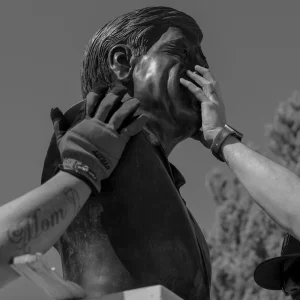
"The reality of a historical figure is never as simple as the monuments we build for them," notes the perspective of modern biographers. "Uncovering the buried chapters of a leader's life doesn't necessarily destroy their legacy; rather, it makes them brilliantly and fundamentally human."
Ultimately, the struggle to unearth these heavily guarded secrets reveals as much about how society manufactures and protects its heroes as it does about the man himself. Penning a definitive biography means challenging the gatekeepers and accepting that true historical scholarship requires embracing a complicated, often messy reality.