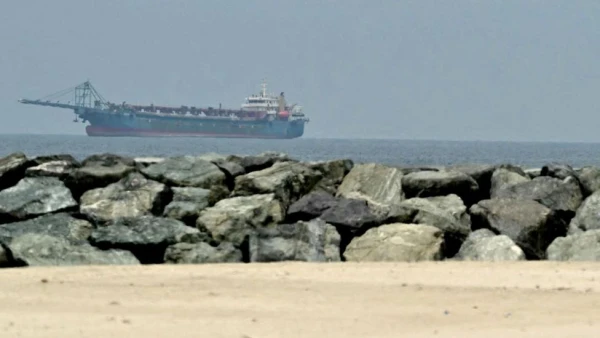
As a fragile ceasefire persists in the Iran conflict, the United States has initiated a naval blockade targeting vessels entering or departing Iranian ports, transforming the war into a high-stakes economic confrontation.
Retired US Rear Admiral Mark Montgomery emphasized the strategic rationale behind this move, stating, "It's certainly less risky than the alternative, which would have been to forcibly push back the Iranians and create the conditions for a convoy." Unlike more aggressive military options—such as seizing Kharg Island or escorting convoys through the volatile Strait of Hormuz—the blockade allows US warships to operate from safer distances in the Gulf of Oman, monitoring and intercepting ships at will.
US Central Command (Centcom) has clarified that the blockade will be enforced impartially against all nations' vessels accessing Iranian ports, though ships using non-Iranian ports will not be halted. Humanitarian shipments will be permitted but subject to inspection.
The primary objective is to disrupt Iran's petrochemical exports, which have continued unabated throughout the war, generating billions in revenue for the regime. A successful blockade could severely strain Iran's already weakened economy. However, experts caution that Iran's resilience may prove formidable. David Satterfield, a former US special envoy for Middle East humanitarian affairs, noted, "They believe they can outweigh this... that the US will feel pain from oil prices and that the Gulf states will pressure the US, ultimately, to get the Strait open again."
Shipping analysts are closely monitoring maritime traffic. Richard Meade, editor-in-chief of Lloyd's List, observed a surge in vessels transiting the Strait of Hormuz in the 48 hours following the blockade announcement, suggesting a rush to evade enforcement. "It looked like a flurry of vessels trying to get out," he said. Currently, activity has dwindled, leaving the global economy in a precarious position as two competing blockades unfold.
China, the largest importer of Iranian oil, faces significant pressure from the disruption. Despite substantial strategic reserves, Beijing cannot afford prolonged supply interruptions. Washington may leverage this dynamic to encourage Chinese mediation, following reports of Beijing's role in recent diplomatic talks in Islamabad.
Maritime intelligence analyst Michelle Wiese Bockmann highlighted the human cost, remarking, "If I was a seafarer, I'd be very worried." With minimal movement now visible, it remains uncertain when—or if—US forces will begin intercepting vessels. This blockade represents a calculated gamble, with ripple effects poised to impact global markets and geopolitical stability in the coming days.