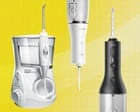
For many, flossing is a dental chore often skipped, but water flossers are emerging as a practical solution that dentists increasingly recommend for those who struggle with traditional methods.
Dr. Johannes Jacobs, founder of Jacobs & Associates Dental Office, notes that while most dentists still prefer floss or interdental brushes, water flossers offer significant benefits. "Most people know they should be flossing, but in reality, it's one of the most skipped steps in daily oral care," he says. "Patients who struggle with traditional flossing routines often do far better with water flossers, and their gum health improves noticeably."
Water flossers work by firing a targeted jet of water between teeth to dislodge debris, providing a fresher feeling without the scraping action of string floss. Jacobs explains, "The water flosser doesn't provide the scraping action that traditional string floss does, but what it offers in return is accessibility and comfort. For a lot of patients, that's the deciding factor."
This accessibility makes water flossers particularly valuable for individuals with braces, dexterity issues, or those who find traditional flossing painful or frustrating. "If flossing is painful, frustrating or impossible – due to dexterity issues or appliances such as braces – it usually just doesn't happen," Jacobs adds. "A water flosser is easy to use, even for kids and older adults. That's why I often recommend it – not as a replacement for floss across the board, but as a realistic alternative for those who aren't flossing at all."
Recent testing of various water flosser models revealed distinct advantages of countertop designs over cordless alternatives. Countertop models typically offer larger water capacities and more consistent pressure, avoiding the common issue of cordless units where water flow diminishes when held at certain angles.
While dentists emphasize that water flossers shouldn't completely replace traditional flossing for everyone, they represent a significant step forward in making oral care more accessible. As Jacobs concludes, "Any flossing is better than no flossing at all, and for many people, water flossers make that daily care actually achievable."