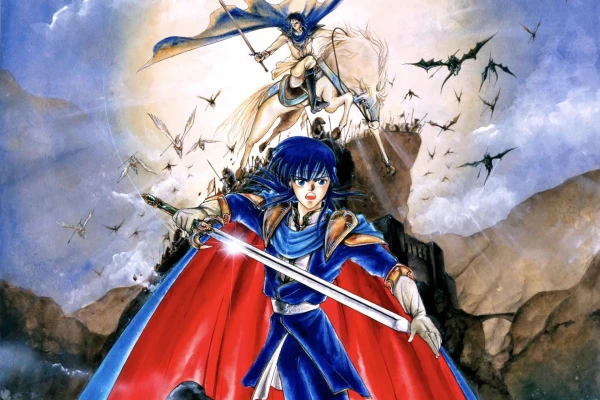
Three decades ago, a game released that not only saved the Fire Emblem franchise but also laid the foundation for its modern success. Fire Emblem: Genealogy of the Holy War, launched in 1996 for the Super Famicom, introduced innovative mechanics and a sweeping narrative that have since become series staples.
The game was a turning point. After the first three titles performed modestly, Nintendo's Intelligent Systems took a bold risk. Genealogy of the Holy War featured a massive continent-spanning story, character-driven relationships with a unique pairing system, and large-scale maps that required strategic deployment of armies. These elements—deep storytelling, permadeath, and tactical depth—are now hallmarks of the franchise.
Its influence is evident in modern entries like Fire Emblem: Three Houses and Fire Emblem Engage, which owe a debt to the narrative ambition and gameplay innovations of their 30-year-old predecessor. For many fans, Genealogy of the Holy War remains the pinnacle of the series, a daring masterpiece that proved turn-based strategy could be both epic and intimate.